Produktbeskrivning
European Standard Industrial Double Row Wheel Sprocket Conveyor Chain Sprocket for Mechanical Transmission
Produktbeskrivning
Features and Benefits
- Manufactured according to ISO606 & ASME B29.100 standard
- Available in plate, single hub, and double hub configurations
- Made from high-grade steel and carbon steel
- Optional taper bushes simplify installation and removal
- Special products made from grey cast iron HT250 or cast iron 250
- Surface treatment, including black oxide, available on request
Product Parameters
Detailed Photos
Vanliga frågor
Q: Do you provide samples?
A: Yes. A sample is available for testing.
Q: What’s your lead time?
A: Standard products need 5-30days, a bit longer for customized products.
Q: Do you provide technical support?
A: Yes. Our company has a design and development team, and we can provide technical support if you
need.
Q: How to ship to us?
A: It is available by air, sea, or train.
Q: How to pay the money?
A: T/T and L/C are preferred, with different currencies, including USD, EUR, RMB, etc.
Q: How can I know if the product is suitable for me?
A: >1ST confirm drawing and specification >2nd test sample >3rd start mass production.
Q: Can I come to your company to visit?
A: Yes, you are welcome to visit us at any time.
Q: How shall we contact you?
A: You can send an inquiry directly, and we will respond within 24 hours.
|
Shipping Cost:
Estimated freight per unit. |
To be negotiated |
|---|
| Standard Or Nonstandard: | Standard |
|---|---|
| Ansökan: | Electric Cars, Motorcycle, Machinery, Agricultural Machinery |
| Hardness: | Hardened Tooth Surface |
| Samples: |
US$ 50/Piece
1 Piece(Min.Order) | Order Sample |
|---|
| Anpassning: |
Tillgänglig
| Anpassad förfrågan |
|---|
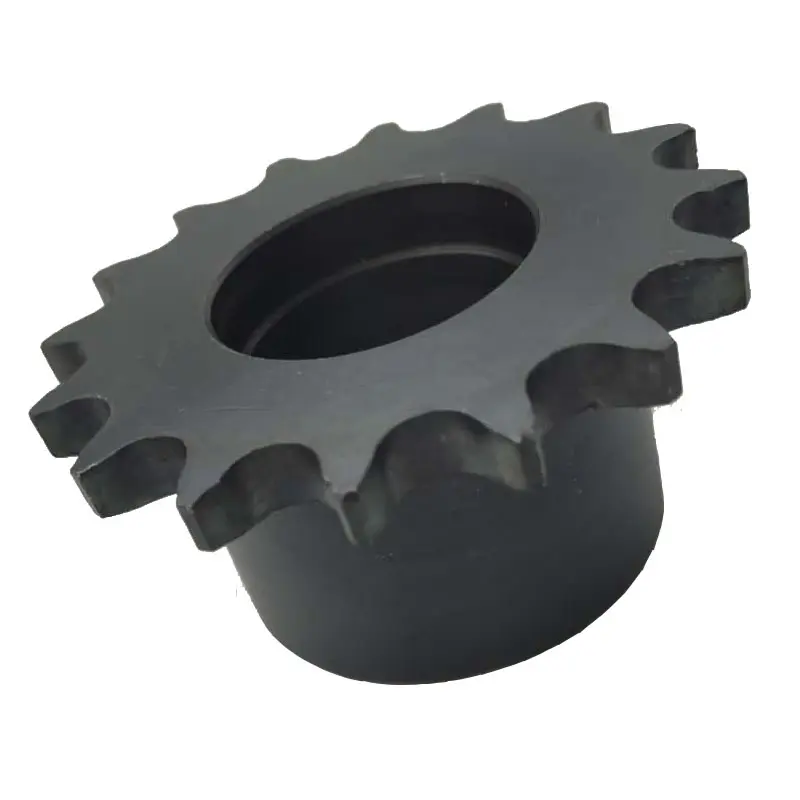
Compatibility of Chain Sprockets with Wheels
In general, chain sprockets are designed to work with specific types of wheels, and there are certain requirements for ensuring proper compatibility:
- Chain Size and Pitch: The chain sprocket must match the size and pitch of the chain it is intended to work with. For example, if you have a roller chain with a pitch of 0.625 inches, you need a sprocket with the same pitch to ensure a proper fit.
- Number of Teeth: The number of teeth on the sprocket should be compatible with the number of chain links. The chain should mesh smoothly with the sprocket without any binding or skipping.
- Tooth Profile: The tooth profile of the sprocket should match the shape of the chain’s rollers to ensure smooth engagement and minimize wear.
- Shaft Size: The center hole (bore) of the sprocket should match the diameter of the shaft it will be mounted on. Using the correct shaft size ensures a secure fit and prevents wobbling.
- Hub Configuration: Some sprockets have hubs, which are extensions on either side of the sprocket. The hub’s length and configuration should match the requirements of the specific application.
- Material and Strength: Consider the material and strength of the sprocket based on the application’s load and environmental conditions. Heavy-duty applications may require sprockets made of robust materials to withstand the forces and stresses.
It’s crucial to follow the manufacturer’s specifications and guidelines when selecting a chain sprocket for a particular wheel. Mixing incompatible sprockets and wheels can result in premature wear, inefficiencies, and potential safety hazards. If you are unsure about the compatibility, consult with the manufacturer or a knowledgeable expert to ensure you choose the right sprocket for your specific application.
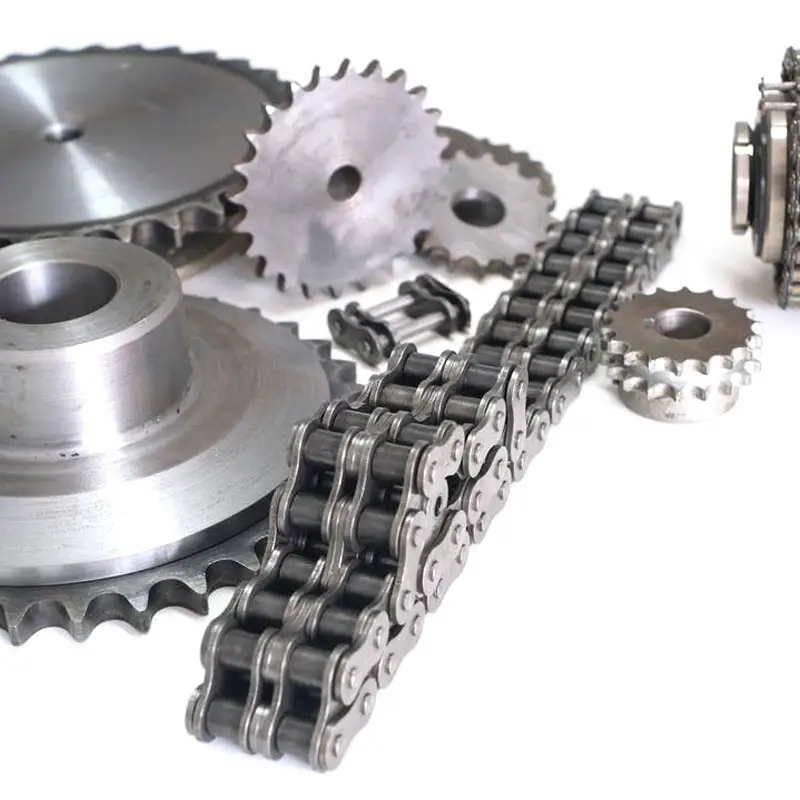
Använda ett remdrev istället för ett kedjedrev med hjul
Ja, i många fall kan ett remdrev användas istället för ett kedjedrev med hjul, förutsatt att systemet är utformat för att hantera växlingen.
Både kedjedrev och remdrev tjänar samma grundläggande syfte att överföra rotationsrörelse och kraft mellan hjulet och den drivna komponenten. Det finns dock några viktiga saker att tänka på när man byter ut ett kedjedrev mot ett remdrev:
- Inriktning: Remdrev och kedjedrev måste vara korrekt inriktade i förhållande till hjulet för att säkerställa en smidig och effektiv kraftöverföring. Eventuell felinställning kan orsaka för tidigt slitage och minska systemets totala prestanda.
- Spänning: Kedjedrivna system kräver specifik spänning för att förhindra slack och bibehålla korrekt ingrepp mellan kedjehjulen och kedjan. Remdrivna system kräver däremot lämplig spänning för att förhindra slirning. Att säkerställa rätt spänning för den specifika typen av kedjehjul är avgörande för tillförlitlig drift.
- Lastkapacitet: Tänk på systemets lastkapacitet och vridmomentkrav när du väljer ett remdrev. Remdrev kan ha olika lastbärande kapacitet jämfört med kedjedrev, och att använda fel typ kan leda till för tidigt slitage eller haveri.
- Hastighet och varvtal: Remdrivna system kan ha andra driftshastigheter och varvtalsgränser jämfört med kedjedrivna system. Säkerställ att det valda remdrevet kan hantera önskad rotationshastighet utan att överskrida dess konstruktionsbegränsningar.
- Systemdesign: Att byta från ett kedjedrivet system till ett remdrivet system (eller vice versa) kan kräva modifieringar av den övergripande systemkonstruktionen, inklusive storleken på kedjehjulen och systemets layout. Rådfråga en ingenjör eller en kvalificerad yrkesperson för att säkerställa att bytet är lämpligt och säkert.
Sammantaget kan det vara ett gångbart alternativ att byta ut ett kedjedrev mot ett remdrev i vissa tillämpningar. Det är dock viktigt att beakta de faktorer som nämns ovan och utvärdera det nya drevets kompatibilitet med det befintliga systemet för att uppnå optimal prestanda och livslängd.
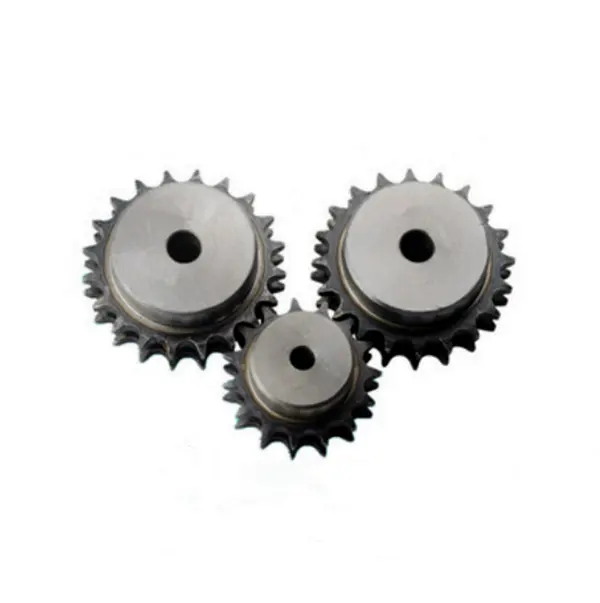
Working Principle of a wheel sprocket System
In a wheel sprocket system, the sprocket is a toothed wheel that meshes with a chain or a belt to transmit rotational motion and power from one component to another. The working principle can be explained in the following steps:
1. Power Input:
The system begins with a power input source, such as an electric motor or an engine, that generates rotational motion or torque.
2. Sprocket and Chain/Belt:
The power is transferred to the sprocket, which is mounted on a shaft. The sprocket has teeth that fit into the gaps of the chain or engage with the teeth of the belt.
3. Chain/Belt Movement:
As the sprocket rotates, it pulls the chain or belt along with it due to the engagement between the teeth. This movement is transmitted to the connected component, which could be another sprocket, a wheel, or any other part of the machinery.
4. Power Output:
The rotational motion or power is then delivered to the connected component, which performs a specific function depending on the application. For example, the power could be used to drive a conveyor belt, rotate the wheels of a vehicle, or operate various industrial machines.
5. Speed and Torque:
The size of the sprocket and the number of teeth, along with the size of the chain or belt, determine the speed and torque ratio between the input and output components. Changing the size of the sprocket or using different-sized sprockets in the system can alter the speed and torque characteristics of the machinery.
6. Efficiency and Maintenance:
Efficient power transmission relies on proper alignment and tension of the chain or belt with the sprocket. Regular maintenance, such as lubrication and inspection, is essential to ensure smooth operation and prevent premature wear or damage to the system.
The wheel sprocket system is widely used in various applications, including bicycles, motorcycles, industrial machinery, agricultural equipment, and more, where efficient power transmission and motion control are required.


editor by CX 2023-08-02