คำอธิบายผลิตภัณฑ์
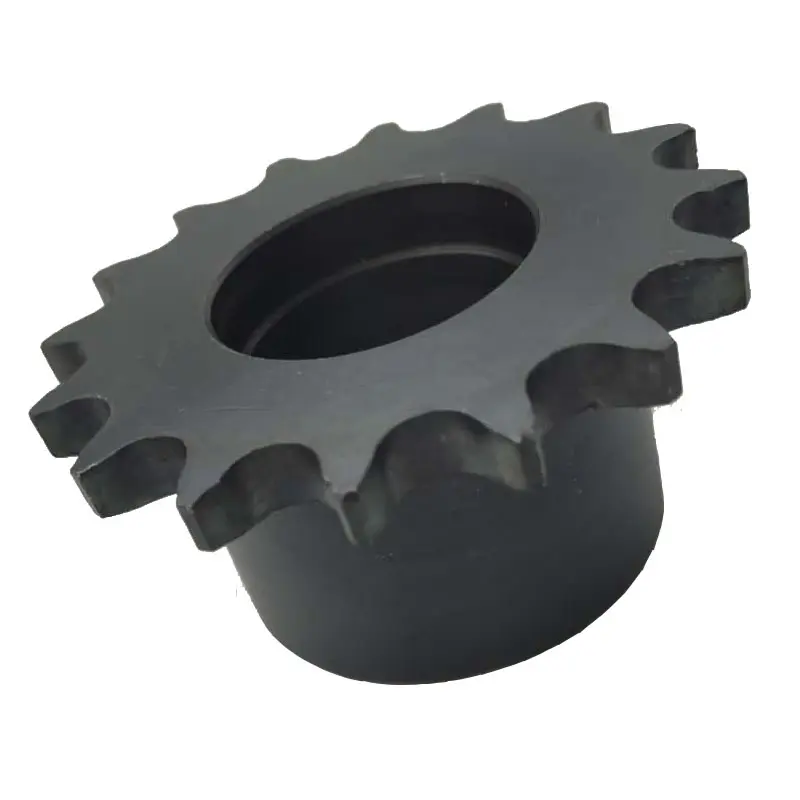
European Standard Industrial Double Row Wheel Sprocket Conveyor Chain Sprocket for Mechanical Transmission
คำอธิบายผลิตภัณฑ์
Features and Benefits
- Manufactured according to ISO606 & ASME B29.100 standard
- Available in plate, single hub, and double hub configurations
- Made from high-grade steel and carbon steel
- Optional taper bushes simplify installation and removal
- Special products made from grey cast iron HT250 or cast iron 250
- Surface treatment, including black oxide, available on request
Product Parameters
ภาพถ่ายโดยละเอียด
คำถามที่พบบ่อย
Q: Do you provide samples?
A: Yes. A sample is available for testing.
Q: What’s your lead time?
A: Standard products need 5-30days, a bit longer for customized products.
Q: Do you provide technical support?
A: Yes. Our company has a design and development team, and we can provide technical support if you
need.
Q: How to ship to us?
A: It is available by air, sea, or train.
Q: How to pay the money?
A: T/T and L/C are preferred, with different currencies, including USD, EUR, RMB, etc.
Q: How can I know if the product is suitable for me?
A: >1ST confirm drawing and specification >2nd test sample >3rd start mass production.
Q: Can I come to your company to visit?
A: Yes, you are welcome to visit us at any time.
Q: How shall we contact you?
A: You can send an inquiry directly, and we will respond within 24 hours.
|
ค่าจัดส่ง:
ค่าขนส่งโดยประมาณต่อหน่วย |
To be negotiated |
|---|
| Standard Or Nonstandard: | Standard |
|---|---|
| Application: | Electric Cars, Motorcycle, Machinery, Agricultural Machinery |
| Hardness: | Hardened Tooth Surface |
| Samples: |
US$ 50/Piece
1 Piece(Min.Order) | Order Sample |
|---|
| การปรับแต่ง: |
มีอยู่
| คำขอที่กำหนดเอง |
|---|
Compatibility of Chain Sprockets with Wheels
In general, chain sprockets are designed to work with specific types of wheels, and there are certain requirements for ensuring proper compatibility:
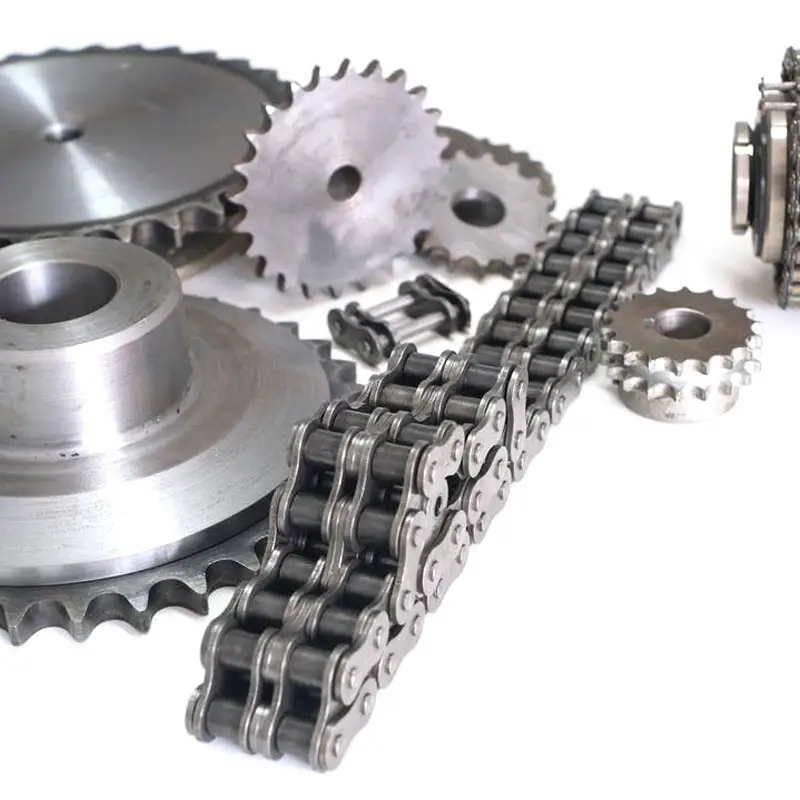
- Chain Size and Pitch: The chain sprocket must match the size and pitch of the chain it is intended to work with. For example, if you have a roller chain with a pitch of 0.625 inches, you need a sprocket with the same pitch to ensure a proper fit.
- Number of Teeth: The number of teeth on the sprocket should be compatible with the number of chain links. The chain should mesh smoothly with the sprocket without any binding or skipping.
- Tooth Profile: The tooth profile of the sprocket should match the shape of the chain’s rollers to ensure smooth engagement and minimize wear.
- Shaft Size: The center hole (bore) of the sprocket should match the diameter of the shaft it will be mounted on. Using the correct shaft size ensures a secure fit and prevents wobbling.
- Hub Configuration: Some sprockets have hubs, which are extensions on either side of the sprocket. The hub’s length and configuration should match the requirements of the specific application.
- Material and Strength: Consider the material and strength of the sprocket based on the application’s load and environmental conditions. Heavy-duty applications may require sprockets made of robust materials to withstand the forces and stresses.
It’s crucial to follow the manufacturer’s specifications and guidelines when selecting a chain sprocket for a particular wheel. Mixing incompatible sprockets and wheels can result in premature wear, inefficiencies, and potential safety hazards. If you are unsure about the compatibility, consult with the manufacturer or a knowledgeable expert to ensure you choose the right sprocket for your specific application.
Using a Belt Sprocket in Place of a Chain Sprocket with a Wheel
Yes, in many cases, a belt sprocket can be used in place of a chain sprocket with a wheel, provided that the system is designed to accommodate the change.
Both chain sprockets and belt sprockets serve the same fundamental purpose of transferring rotational motion and power between the wheel and the driven component. However, there are some important considerations to keep in mind when replacing a chain sprocket with a belt sprocket:
- Alignment: Belt sprockets and chain sprockets must be aligned properly with the wheel to ensure smooth and efficient power transmission. Any misalignment can cause premature wear and reduce the system’s overall performance.
- Tension: Chain-driven systems require specific tension to prevent slack and maintain proper engagement between the sprockets and the chain. Belt-driven systems, on the other hand, require appropriate tension to prevent slippage. Ensuring the correct tension for the specific type of sprocket is crucial for reliable operation.
- Load Capacity: Consider the load capacity and torque requirements of the system when selecting a belt sprocket. Belt sprockets may have different load-carrying capabilities compared to chain sprockets, and using the wrong type can lead to premature wear or failure.
- Speed and RPM: Belt-driven systems may have different operating speeds and RPM limits compared to chain-driven systems. Ensure that the selected belt sprocket can handle the desired rotational speed without exceeding its design limitations.
- System Design: Changing from a chain-driven system to a belt-driven system (or vice versa) may require modifications to the overall system design, including the size of the sprockets and the layout of the system. Consult with an engineer or a qualified professional to ensure that the replacement is appropriate and safe.
Overall, replacing a chain sprocket with a belt sprocket can be a viable option in certain applications. However, it’s essential to consider the factors mentioned above and evaluate the compatibility of the new sprocket with the existing system to achieve optimal performance and longevity.
หลักการทำงานของระบบเฟืองล้อ
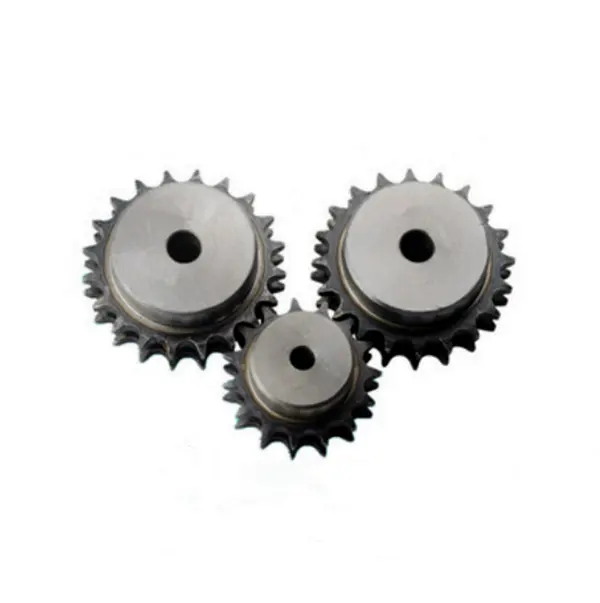
ในระบบเฟืองล้อ เฟืองคือล้อที่มีฟันซึ่งขบกับโซ่หรือสายพานเพื่อส่งการเคลื่อนที่แบบหมุนและกำลังจากส่วนประกอบหนึ่งไปยังอีกส่วนประกอบหนึ่ง หลักการทำงานสามารถอธิบายได้ในขั้นตอนต่อไปนี้:
1. แหล่งจ่ายไฟ:
ระบบเริ่มต้นด้วยแหล่งจ่ายพลังงาน เช่น มอเตอร์ไฟฟ้าหรือเครื่องยนต์ ที่สร้างการเคลื่อนที่แบบหมุนหรือแรงบิด
2. เฟืองและโซ่/สายพาน:
กำลังถูกส่งไปยังเฟืองซึ่งติดตั้งอยู่บนเพลา เฟืองมีฟันที่พอดีกับช่องว่างของโซ่หรือเกี่ยวเข้ากับฟันของสายพาน
3. การเคลื่อนไหวแบบโซ่/สายพาน:
เมื่อเฟืองหมุน มันจะดึงโซ่หรือสายพานไปด้วยเนื่องจากการขบกันระหว่างฟันเฟือง การเคลื่อนไหวนี้จะถูกส่งต่อไปยังส่วนประกอบที่เชื่อมต่ออยู่ ซึ่งอาจเป็นเฟืองอีกตัว ล้อ หรือส่วนอื่นๆ ของเครื่องจักร
4. กำลังขับ:
จากนั้น การเคลื่อนที่แบบหมุนหรือกำลังจะถูกส่งไปยังส่วนประกอบที่เชื่อมต่ออยู่ ซึ่งจะทำหน้าที่เฉพาะเจาะจงขึ้นอยู่กับการใช้งาน ตัวอย่างเช่น กำลังดังกล่าวอาจถูกนำไปใช้ในการขับเคลื่อนสายพานลำเลียง หมุนล้อรถยนต์ หรือใช้งานเครื่องจักรต่างๆ ในโรงงานอุตสาหกรรม
5. ความเร็วและแรงบิด:
ขนาดของเฟืองและจำนวนฟัน รวมถึงขนาดของโซ่หรือสายพาน จะเป็นตัวกำหนดอัตราส่วนความเร็วและแรงบิดระหว่างส่วนประกอบขาเข้าและขาออก การเปลี่ยนขนาดของเฟืองหรือการใช้เฟืองที่มีขนาดแตกต่างกันในระบบ สามารถเปลี่ยนแปลงลักษณะความเร็วและแรงบิดของเครื่องจักรได้
6. ประสิทธิภาพและการบำรุงรักษา:
การส่งกำลังที่มีประสิทธิภาพนั้นขึ้นอยู่กับการจัดตำแหน่งและความตึงของโซ่หรือสายพานกับเฟืองอย่างเหมาะสม การบำรุงรักษาอย่างสม่ำเสมอ เช่น การหล่อลื่นและการตรวจสอบ เป็นสิ่งจำเป็นเพื่อให้การทำงานราบรื่นและป้องกันการสึกหรอหรือความเสียหายก่อนกำหนดของระบบ
ระบบเฟืองล้อมีการใช้งานอย่างแพร่หลายในหลากหลายแอปพลิเคชัน เช่น จักรยาน รถจักรยานยนต์ เครื่องจักรกลอุตสาหกรรม อุปกรณ์การเกษตร และอื่นๆ ที่ต้องการการส่งกำลังและการควบคุมการเคลื่อนที่อย่างมีประสิทธิภาพ


editor by CX 2023-08-02