Opis produktu
Opis produktu
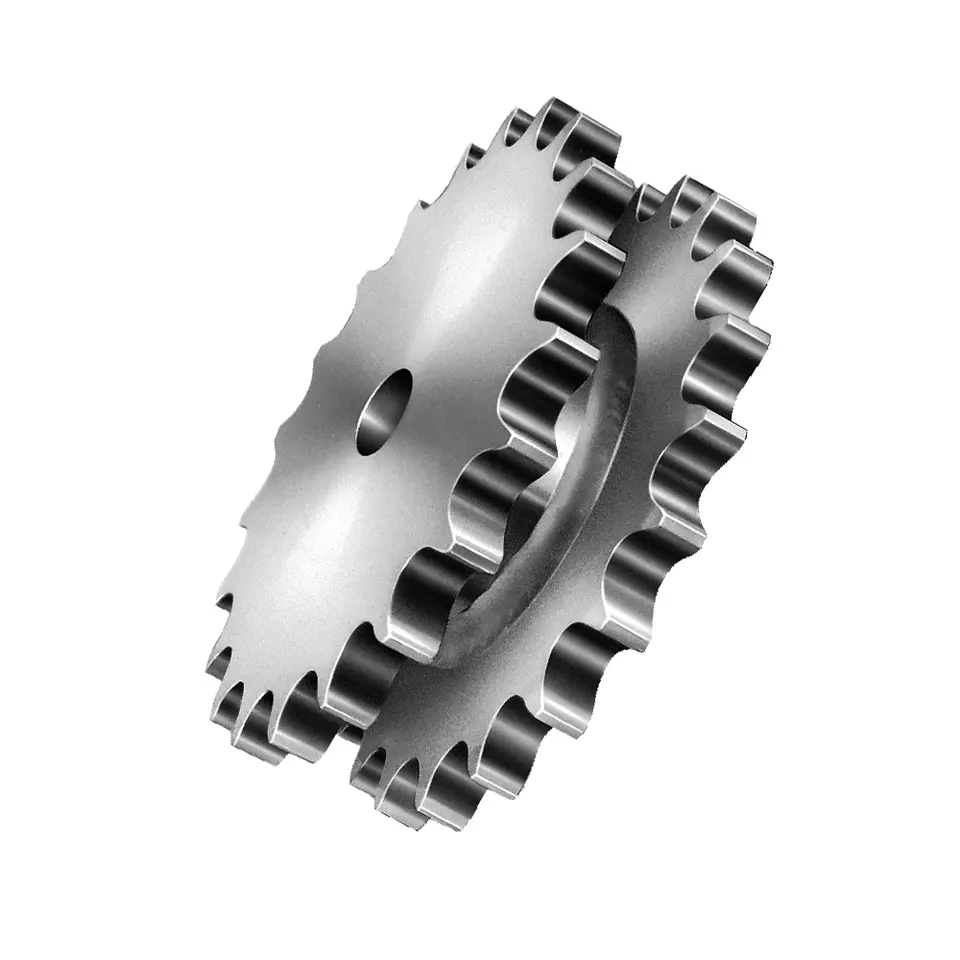
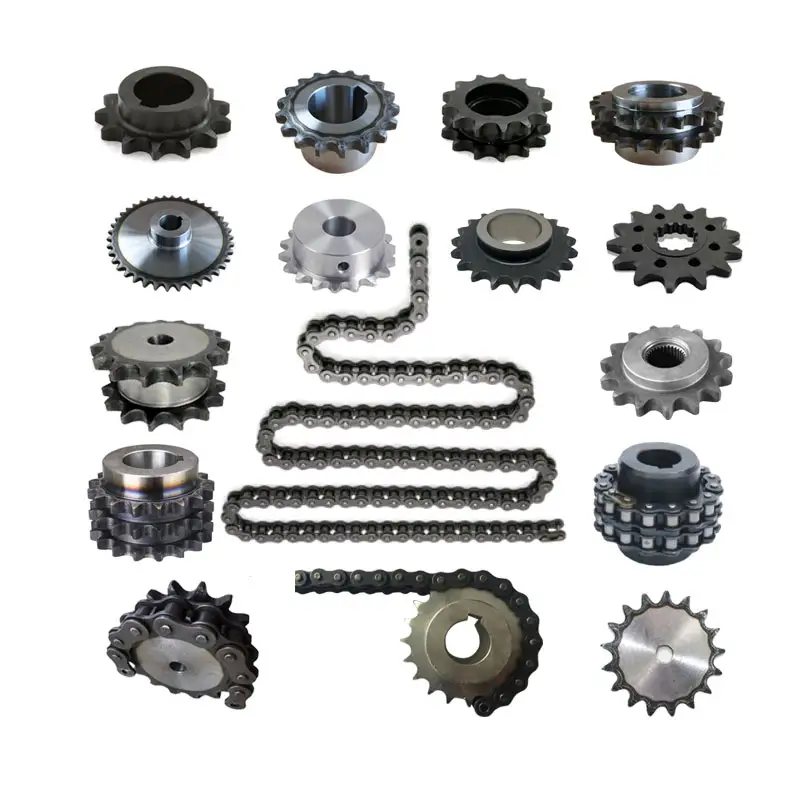
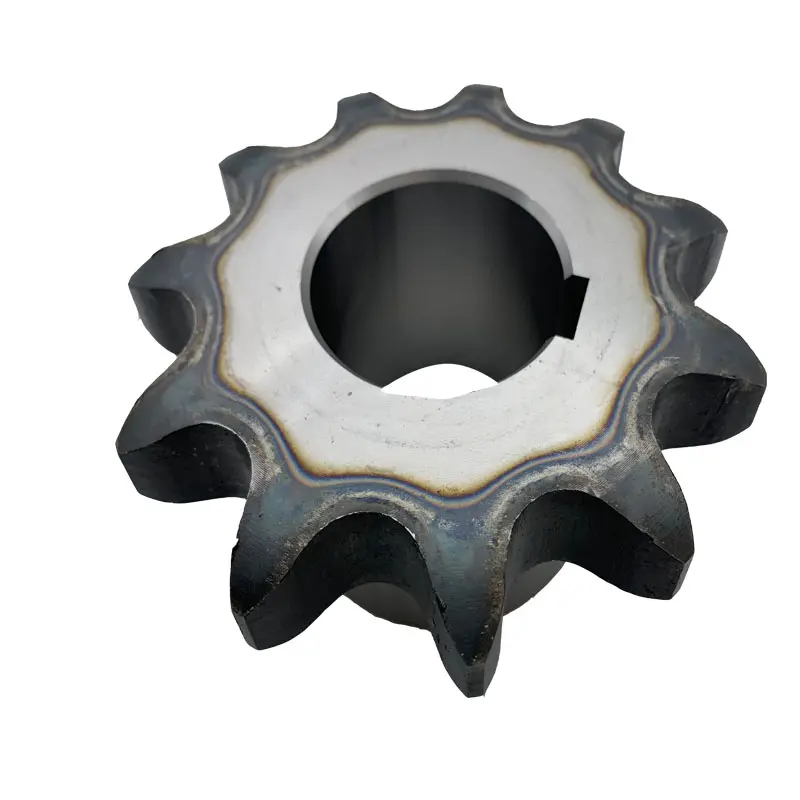
Chain sprocket
With more than 15 years’ experience, high-precision equipment and strict management system, CIMO can provide sprockets for you with stable quality and best service.
| Przedmiot | Koło zębate |
| Standard | DIN, KANA, ANSI, ISO, etc |
| Tworzywo | C45, stainless steel SS304 & SS316, Cast iron, etc |
| Bore | Pilot bore, finished bore, taper bore |
| Surface Treatment | Black oxided, Zinc plated, Electrophoresis, etc |
| Heat treatment | Teeth inductive hardened HRC45-50 |
| Proces | Forging, Cutting, Hobbing teeth, CNC Lathe machining |
| European Type | 03B, 04B, 05B, 06B, 081B, 083B/084B, 085B, 086B, 08B, 10B, 12B, 16B, 20B, 24B, 28B, 32B |
| American Type | 25, 35, 40, 50, 60, 80, 100, 120, 140, 160, 200, 240 |
|
Taper bore sprockets |
|
| Finished bore sprockets | |
|
Idler sprockets with ball bearing |
|
|
Double simplex sprockets |
|
|
Sprockets with split taper bushings |
|
|
Sprockets with QD bushings |
|
| Double sprockets for 2 single chains | |
|
Double pitch sprockets |
C2042, C2052, C2062, C2082, C2040, C2050, C2060, C2080 |
| Platewheels for Conveyor chain | 20x16mm, 30×17.02mm |
Detailed Photos
Workshop
Opakowanie i wysyłka
Export wooden box
Często zadawane pytania
Q1: Are you trading company or manufacturer ?
A: We are factory.
Q2: How long is your delivery time and shipment?
1.Sample Lead-times: 10-20 days
2.Production Lead-times: 30-45 days after order confirmed.
Q3: What is your advantages?
1. The most competitive price and good quality.
2. Perfect technical engineers give you the best support.
3. OEM is available.
/* 10 marca 2571 17:59:20 */!function(){function s(e,r){var a,o={};try{e&&e.split(“,”).forEach(function(e,t){e&&(a=e.match(/(.*?):(.*)$/))&&1
| Standardowe czy niestandardowe: | Niestandardowy |
|---|---|
| Aplikacja: | Motor, Electric Cars, Motorcycle, Machinery, Agricultural Machinery, Chain |
| Twardość: | Utwardzona powierzchnia zęba |
| Metoda produkcji: | Cut Gear |
| Kształt części ząbkowanej: | Koło zębate |
| Tworzywo: | Steel C45 |
| Personalizacja: |
Dostępny
| Spersonalizowane żądanie |
|---|
How to Identify and Troubleshoot Common Issues with Wheels and Sprockets
Identifying and troubleshooting common issues with wheels and sprockets can help you maintain their proper functioning and prevent potential problems. Here are some steps to follow:
- Abnormal Noise: If you notice unusual noise during operation, it could indicate misalignment, worn sprockets, or a loose chain. Check for any loose bolts or fasteners and ensure proper alignment of the sprockets.
- Chain Slippage: Chain slippage can occur due to insufficient tension or worn-out sprocket teeth. Check the chain tension and adjust it to the recommended level. Inspect the sprocket teeth for signs of wear and replace them if necessary.
- Uneven Wear: Uneven wear on the sprocket teeth can be a result of misalignment or a worn-out chain. Check the alignment of the sprockets and adjust as needed. If the chain is stretched or has damaged links, replace it with a new one.
- Excessive Vibration: Excessive vibration may be caused by imbalanced wheels or misaligned sprockets. Check for any bent or damaged wheels and ensure proper alignment of the sprockets.
- Chain Skipping: If the chain skips over the sprocket teeth during operation, it could be due to worn sprocket teeth or a loose chain. Inspect the sprocket teeth for signs of wear and replace them if necessary. Adjust the chain tension to the proper level.
- Chain Jamming: Chain jamming can occur if there is debris or dirt between the chain and sprockets. Clean the chain and sprockets thoroughly to remove any obstructions.
- Excessive Chain Wear: Regularly inspect the chain for signs of wear, such as elongation, damaged links, or rust. Replace the chain if it is significantly worn to avoid damage to the sprockets.
- Overheating: Overheating can be caused by high friction between the chain and sprockets or improper lubrication. Ensure proper lubrication and check for any misalignment or tight spots in the system.
By identifying these common issues and performing regular inspections, you can troubleshoot problems early on and take appropriate corrective measures, ensuring the smooth operation and longevity of the wheel sprocket assembly.
Noise and Vibration in wheel sprocket Configurations
In a wheel sprocket configuration, noise and vibration levels can vary depending on several factors:
- Quality of Components: The quality of the wheel sprocket components can significantly impact noise and vibration. Well-manufactured and precisely engineered components tend to produce less noise and vibration.
- Smarowanie: Proper lubrication of the sprocket teeth and chain or belt can reduce friction, which in turn helps minimize noise and vibration.
- Alignment: Correct alignment between the wheel sprocket is crucial. Misalignment can lead to increased noise and vibration as the components may not mesh smoothly.
- Tension: Maintaining the appropriate tension in the chain or belt is essential. Insufficient tension can cause the chain to slap against the sprocket teeth, resulting in noise and vibration.
- Speed and Load: Higher speeds and heavier loads can lead to increased noise and vibration levels in the system.
- Wear and Damage: Worn-out or damaged components can create irregularities in motion, leading to increased noise and vibration.
To reduce noise and vibration in a wheel sprocket setup:
- Use high-quality components from reputable suppliers.
- Ensure proper lubrication with appropriate lubricants.
- Regularly inspect and maintain the system to detect any misalignment, wear, or damage.
- Follow manufacturer guidelines for chain or belt tensioning.
- Consider using vibration-damping materials or mounting methods if necessary.
Minimizing noise and vibration not only improves the comfort and safety of the machinery but also extends the life of the components by reducing wear and fatigue.
W jaki sposób koło zębate przekazuje moc?
W układzie mechanicznym zespół koła zębatego jest powszechną metodą przenoszenia mocy, szczególnie w przypadku ruchu obrotowego. Proces przenoszenia mocy przez zespół koła zębatego obejmuje następujące kroki:
1. Źródło danych wejściowych:
Proces przenoszenia mocy rozpoczyna się od źródła sygnału wejściowego, takiego jak silnik elektryczny, silnik spalinowy lub siła ludzka. To źródło sygnału wejściowego zapewnia niezbędną siłę obrotową (moment obrotowy) do napędzania układu.
2. Obrót koła:
Gdy źródło sygnału wejściowego przyłoży siłę obrotową do koła, zaczyna ono obracać się wokół swojej osi centralnej (osi). Konstrukcja i właściwości materiału koła są kluczowe dla wytrzymywania przyłożonego obciążenia i zapewnienia płynnego obrotu.
3. Zazębianie się zębatek:
Do koła zębatego przymocowana jest zębatka, czyli koło zębate zaprojektowane do zazębiania się z łańcuchem. Podczas obrotu koła zęby zębatki zazębiają się z ogniwami łańcucha, tworząc układ napędowy.
4. Obrót łańcucha:
Gdy koło zębate zazębia się z łańcuchem, siła obrotowa jest przenoszona na łańcuch. Ogniwa łańcucha przenoszą ten ruch obrotowy na całej jego długości.
5. Komponent napędzany:
Drugi koniec łańcucha jest połączony z napędzanym kołem zębatym, które jest przymocowane do elementu, który ma być napędzany. Tym napędzanym elementem może być inne koło, taśmociąg lub dowolna inna część maszyny wymagająca ruchu.
6. Przeniesienie napędu:
Gdy łańcuch obraca się w wyniku zazębienia z kołem zębatym, koło zębate również zaczyna się obracać, przenosząc siłę obrotową na element napędzany. Element napędzany otrzymuje teraz moc i ruch ze źródła wejściowego poprzez zespół koła zębatego, koła zębatego i łańcucha.
7. Wyjście i działanie:
Napędzany element spełnia swoją funkcję w oparciu o otrzymaną moc i ruch. Na przykład w rowerze łańcuch i zębatka przekazują moc z pedałowania rowerzysty na tylne koło, napędzając rower do przodu.
Ogólnie rzecz biorąc, zespół koła zębatego jest wydajną i niezawodną metodą przenoszenia mocy, powszechnie stosowaną w różnych zastosowaniach, w tym w rowerach, motocyklach, maszynach przemysłowych i systemach przenośnikowych.


editor by CX 2024-02-06