Produktbeskrivning
-
OEM: According to your drawings and samples requirements.
2.Manufacturer with competitive price and high quality.
3. 100% inspection before delivery.
4. Convenient transportation.
5 .Good packing.
6. Small gears Orders Accepted.
7. Rich experienced staff Professional technical support and resolution team
| Material | C45, A3, 40Cr, 20CrMnTi, 42CrMo, copper, stainless steel and so on as per your request |
| process | Forged |
| Heat treatment | High frequency quenching, heat treatment, hardened teeth |
| Surface treatment | Blacking, galvanization, chroming, electrophoresis, color painting, or customer requirement |
| Performance | High precision, high wear resistance, low noise, smooth and steady, high strength |
| Model number | Standard or nonstandard (single duplex and triple)20A10-100, 40A10-100, 60A10-100, 80A10-100, 100A10-100. 20B10-100, 40B10-100, 60B10-100, 80B10-100, 100B10-100 |
| Standard Or Nonstandard: | Nonstandard |
|---|---|
| Hardness: | Hardened Tooth Surface |
| Manufacturing Method: | Rolling Gear |
| Toothed Portion Shape: | Spur Gear |
| Material: | Custom Made |
| Typ: | Circular Gear |
| Anpassning: |
Tillgänglig
| Anpassad förfrågan |
|---|
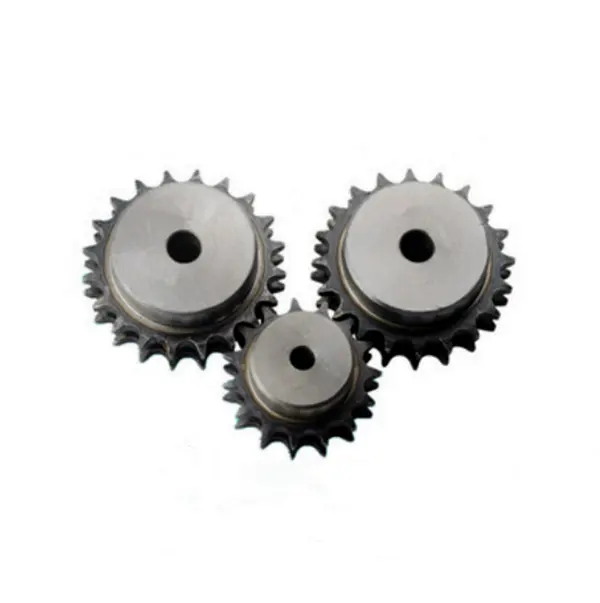
Säkerställa korrekt inriktning mellan ett hjul och motsvarande kedjehjul
Korrekt inriktning mellan ett hjul och motsvarande kedjehjul är avgörande för att hjulets kedjesystem ska fungera smidigt och effektivt. Felaktig inriktning kan leda till ökat slitage, buller och minskad prestanda. Här är några steg för att säkerställa korrekt inriktning:
- Använd precisionskomponenter: Se till att båda hjuldreven är högkvalitativa, precisionstillverkade komponenter som uppfyller de erforderliga specifikationerna. Genom att använda välbearbetade komponenter uppnås bättre uppriktning.
- Kontrollera axeljustering: Se till att axeln eller skaftet som hjuldreven är monterade på är rak och korrekt inriktad. Eventuell feljustering i axeln kan leda till feljustering av hjuldreven.
- Korrekt montering: Säkerställ att hjuldreven är ordentligt och korrekt monterade på axeln eller skaftet. Använd lämpliga fästelement och åtdragningstekniker för att förhindra rörelse eller förskjutning under drift.
- Kontrollera parallellitet: Hjulhjulets axlar ska vara parallella med varandra. Mät avståndet mellan axlarna på flera punkter för att verifiera parallell uppriktning.
- Använd justeringsverktyg: Uppriktningsverktyg, såsom laseruppriktningssystem, kan användas för att exakt rikta in hjulet. Dessa verktyg kan hjälpa till att identifiera och korrigera feljusteringar effektivt.
- Kontrollera spänning och spännarens inriktning: Om en spännare används i systemet, se till att den är korrekt inriktad och att kedjan eller remmen har rätt spänning. Felaktig spänning kan orsaka feljustering.
- Regelbundet underhåll: Implementera ett regelbundet underhållsschema för att kontrollera och justera justeringen vid behov. Regelbundna inspektioner kan hjälpa till att identifiera och åtgärda justeringsproblem innan de orsakar allvarliga problem.
- Övervaka prestanda: Håll koll på hjulets kedjesystems prestanda. Ovanliga ljud, vibrationer eller tecken på slitage kan tyda på feljustering och bör undersökas omedelbart.
Korrekt inriktning är avgörande för hjuldrevssystemets långsiktiga prestanda och tillförlitlighet. Genom att följa dessa steg och utföra regelbundet underhåll kan du säkerställa att hjuldreven fungerar harmoniskt tillsammans, vilket ger effektiv kraftöverföring och minimerar slitage.
Special Considerations for Using a wheel sprocket System in Off-Road Vehicles
Off-road vehicles operate in rugged and challenging environments, which can put additional stress on the wheel sprocket system. Here are some special considerations to keep in mind when using a wheel sprocket system in off-road vehicles:
- Material Selection: Choose high-quality materials for the wheel sprocket that can withstand rough terrains, impacts, and exposure to elements. Materials like hardened steel or alloys with good impact resistance are commonly used.
- Sealing and Protection: Ensure that the wheel bearings and sprocket teeth are adequately sealed to prevent dirt, mud, water, and other debris from entering. Proper sealing helps to maintain smooth operation and prolong the lifespan of components.
- Reinforcement: Consider reinforcing the wheel sprocket assembly if the vehicle will encounter heavy loads or extreme conditions. Reinforcements can add strength and durability to handle challenging off-road conditions.
- Lubrication: Use a high-quality lubricant suitable for off-road conditions. Frequent lubrication is crucial to reduce friction, prevent corrosion, and protect components from wear and tear.
- Regular Inspection: Off-road vehicles experience higher vibrations and shocks, leading to accelerated wear. Perform regular inspections to detect any signs of damage, misalignment, or wear. Address issues promptly to avoid further problems.
- Shock Absorption: Consider incorporating shock-absorbing features or suspension systems to mitigate the impact on the wheel sprocket system during off-road driving. This helps to protect the components and improve overall vehicle performance.
- Environmental Considerations: Off-road environments often expose the wheel sprocket system to dirt, sand, water, and other harsh elements. Choose coatings or treatments that offer corrosion resistance to protect against environmental damage.
- Weight Consideration: Off-road vehicles may need to be lightweight to navigate difficult terrains effectively. Ensure the wheel sprocket components strike a balance between durability and weight to optimize vehicle performance.
- Service and Maintenance: Establish a regular maintenance schedule and perform necessary servicing after each off-road trip. Cleaning, inspection, and replacement of worn parts are vital to ensure the system’s reliability.
By taking these special considerations into account, the wheel sprocket system in off-road vehicles can withstand the demands of rough terrains and provide reliable performance in challenging environments.
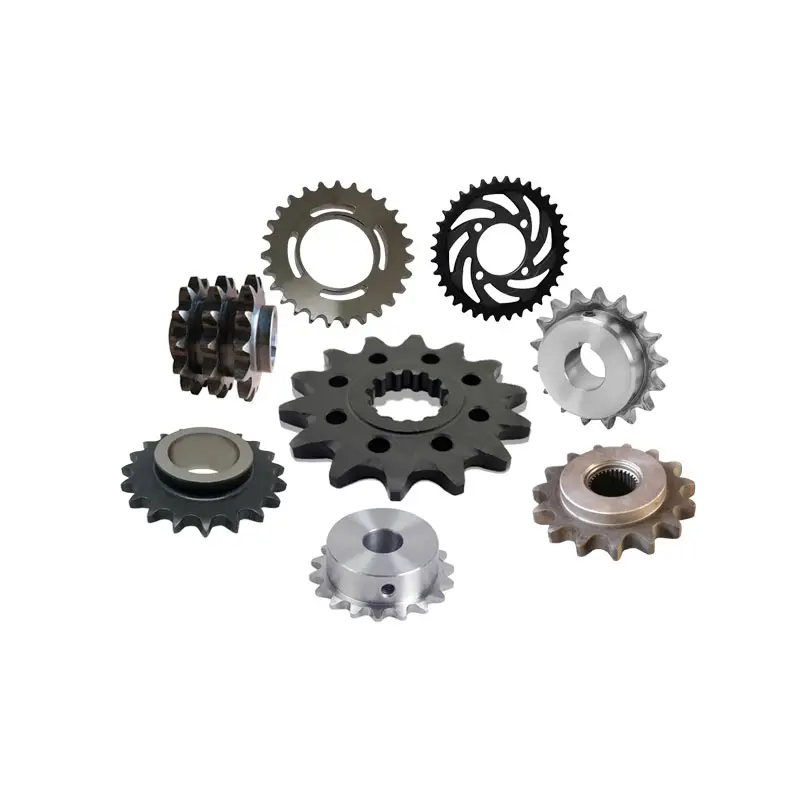
Can a wheel sprocket System be Used in Bicycles and Other Vehicles?
Yes, a wheel sprocket system is commonly used in bicycles and various other vehicles. In bicycles, the wheel sprocket system is a fundamental part of the drivetrain, which transfers power from the rider’s legs to the wheels, propelling the bicycle forward.
The typical bicycle drivetrain consists of a chain, front sprockets (chainrings), rear sprockets (cassette), and the bicycle’s wheels. When the rider pedals the bicycle, the chain engages with the sprockets, and as a result, the rotational motion from the pedaling is transferred to the rear wheel.
The selection of sprocket sizes (number of teeth on chainrings and cassette) can affect the gear ratio, allowing cyclists to adjust their pedaling effort and speed to suit different terrains and riding conditions. Smaller sprockets provide easier pedaling for climbing steep hills, while larger sprockets offer higher speeds on flat or downhill sections.
Beyond bicycles, the wheel sprocket system is widely used in various other vehicles and machinery to transmit power and control speed. It can be found in motorcycles, mopeds, electric scooters, and even some small electric vehicles. Additionally, the wheel sprocket system is prevalent in industrial machinery, where precise speed control and torque transmission are essential.
The efficiency and reliability of the wheel sprocket system make it a versatile and practical choice for many vehicles and mechanical applications.


editor by CX 2023-11-13