Product Description
Product Description
Sprockets for Drop Forged Chains
| Chain Model |
Ұсыныс (mm) |
Gear Number Z |
D2 (mm) |
D (mm) |
D3 (mm) |
D1 (mm) |
D4 (mm) |
A (mm) |
Number of Bolts |
Bolt Size |
B (mm) |
C (mm) |
| P100 | 100 | 6 | 197.8 | 70 | 105 | 143 | 135 | 83 | 6 | M12 | 16 | 36 |
| 100 | 7 | 228.2 | 70 | 108 | 146 | 173 | 83 | 6 | M12 | 16 | 36 | |
| 100 | 8 | 259.1 | 85 | 144 | 170 | 196 | 83 | 6 | M12 | 16 | 36 | |
| 100 | 9 | 290.4 | 105 | 174 | 200 | 232 | 83 | 6 | M12 | 16 | 36 | |
| 100 | 10 | 321.9 | 105 | 179 | 241.3 | 264 | 83 | 8 | M12 | 16 | 36 | |
| P142 | 142 | 6 | 284 | 85 | 136.5 | 168.3 | 190.5 | 112 | 6 | M12 | 16 | 46 |
| 142 | 7 | 327.3 | 105 | 162 | 200 | 234 | 112 | 6 | M16 | 16 | 46 | |
| 142 | 8 | 371.1 | 115 | 187.3 | 241.3 | 282 | 127 | 8 | M20 | 16 | 46 | |
| 142 | 9 | 415.2 | 150 | 240 | 285.8 | 330 | 127 | 8 | M20 | 16 | 46 | |
| 142 | 10 | 459.5 | 150 | 240 | 285.8 | 330 | 127 | 8 | M20 | 16 | 46 | |
| 142 | 11 | 504 | 170 | 310 | 368.3 | 419 | 150 | 8 | M20 | 16 | 46 | |
| 142 | 12 | 548.6 | 170 | 345 | 415 | 465 | 150 | 8 | M20 | 16 | 46 | |
| 142 | 13 | 593.4 | 170 | 380 | 470 | 521 | 150 | 8 | M20 | 16 | 46 | |
| 142 | 14 | 638.1 | 170 | 380 | 470 | 546 | 150 | 10 | M20 | 16 | 46 | |
| P142H | 142 | 7 | 327.3 | 105 | 162 | 200 | 234 | 127 | 6 | M16 | 18 | 69 |
| 142 | 8 | 371.1 | 115 | 187.3 | 241.3 | 282 | 150 | 8 | M20 | 18 | 69 | |
| 142 | 9 | 415.2 | 150 | 240 | 285.8 | 330 | 150 | 8 | M20 | 18 | 69 | |
| 142 | 10 | 459.5 | 150 | 240 | 285.8 | 330 | 150 | 8 | M20 | 18 | 69 | |
| 142 | 11 | 504 | 170 | 310 | 368.3 | 419 | 150 | 8 | M20 | 18 | 69 | |
| 142 | 12 | 548.6 | 170 | 345 | 415 | 465 | 150 | 8 | M20 | 18 | 69 | |
| 142 | 13 | 593.4 | 170 | 380 | 470 | 520 | 180 | 8 | M20 | 18 | 69 | |
| 142 | 14 | 638.1 | 170 | 380 | 470 | 546 | 180 | 10 | M20 | 18 | 69 |
Trailers for Drop Forged Chains
| Chain Model | Gear Number Z |
D1 (mm) |
D (mm) |
A (mm) |
C (mm) |
| P100 | 6 | 197.8 | 65 | 57 | 35 |
| 7 | 228.2 | 65 | 57 | 35 | |
| 8 | 259.1 | 65 | 57 | 35 | |
| 9 | 290.4 | 65 | 57 | 35 | |
| 10 | 321.9 | 65 | 57 | 35 | |
| P142 | 6 | 284 | 85 | 74 | 45 |
| 7 | 327.3 | 85 | 74 | 45 | |
| 8 | 371.1 | 85 | 77 | 45 | |
| 9 | 415.2 | 115 | 77 | 45 | |
| 10 | 459.5 | 115 | 77 | 45 | |
| 11 | 504 | 115 | 105 | 45 | |
| 12 | 548.6 | 115 | 105 | 45 | |
| 13 | 593.4 | 115 | 120 | 45 | |
| 14 | 638.1 | 115 | 120 | 45 | |
| P142H | 7 | 327.3 | 115 | 110 | 75 |
| 8 | 371.1 | 115 | 110 | 75 | |
| 9 | 415.2 | 115 | 110 | 75 | |
| 10 | 459.5 | 115 | 120 | 75 | |
| 11 | 504 | 140 | 120 | 75 | |
| 12 | 548.6 | 140 | 120 | 75 | |
| 13 | 593.4 | 140 | 120 | 75 | |
| 14 | 638.1 | 140 | 140 | 75 |
Note: Customized sizes and material are available CZPT request
Sprockets for Roller Conveyor Chains
| Model | Pitch(mm) | Gear Number Z |
d1 (mm) |
d (mm) |
D (mm) |
D1 (mm) |
A (mm) |
B (mm) |
| 66.675 | 66.675 | 6 | 22.23 | 133.41 | 40 | 75 | 80 | 22.8 |
| 66.675 | 7 | 22.23 | 153.74 | 40 | 75 | 80 | 22.8 | |
| 66.675 | 8 | 22.23 | 174.31 | 50 | 100 | 100 | 22.8 | |
| 66.675 | 9 | 22.23 | 195.04 | 50 | 100 | 100 | 22.8 | |
| 66.675 | 10 | 22.23 | 215.87 | 60 | 110 | 100 | 22.8 | |
| 66.675 | 11 | 22.23 | 236.78 | 60 | 110 | 100 | 22.8 | |
| 66.675 | 12 | 22.23 | 257.74 | 60 | 110 | 100 | 22.8 | |
| 100 | 100 | 8 | 36 | 261.44 | 60 | 110 | 100 | 33.2 |
| 100 | 9 | 36 | 292.52 | 70 | 120 | 100 | 33.2 | |
| 100 | 10 | 36 | 323.77 | 70 | 120 | 100 | 33.2 |
Tht
The full range of our conveyor products:
/* March 10, 2571 17:59:20 */!function(){function s(e,r){var a,o={};try{e&&e.split(“,”).forEach(function(e,t){e&&(a=e.match(/(.*?):(.*)$/))&&1
| Transport Package: | Pallet |
|---|---|
| Specification: | Drop Forged Chain Sprockets, Roller Chain Sprocket |
| Trademark: | Yutung |
| Origin: | China |
| Samples: |
US$ 10/Piece
1 Piece(Min.Order) | |
|---|
| Customization: |
Available
| Customized Request |
|---|
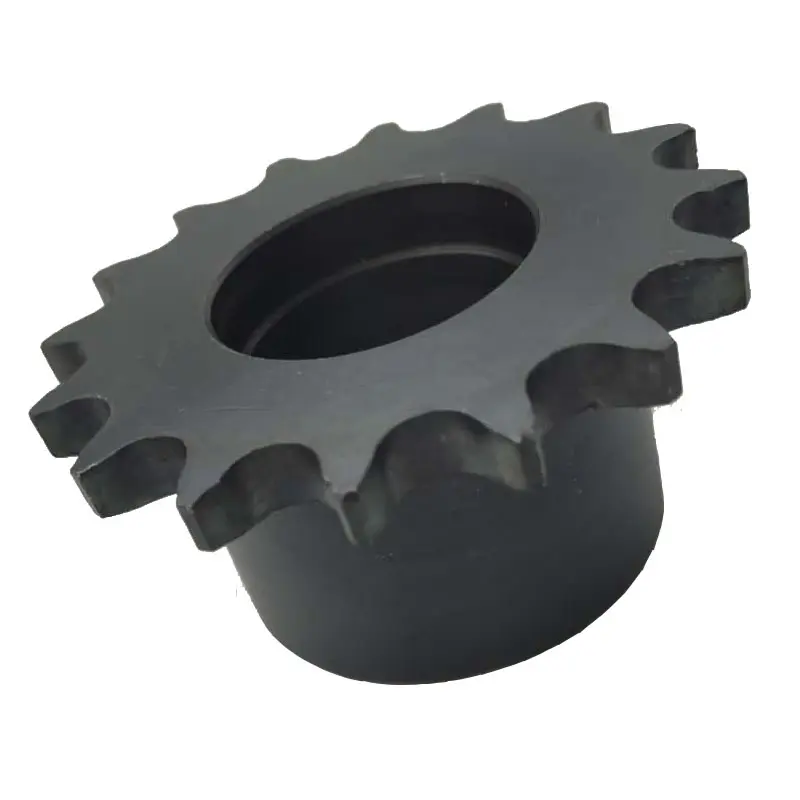
Compatibility of Chain Sprockets with Wheels
In general, chain sprockets are designed to work with specific types of wheels, and there are certain requirements for ensuring proper compatibility:
- Chain Size and Pitch: The chain sprocket must match the size and pitch of the chain it is intended to work with. For example, if you have a roller chain with a pitch of 0.625 inches, you need a sprocket with the same pitch to ensure a proper fit.
- Number of Teeth: The number of teeth on the sprocket should be compatible with the number of chain links. The chain should mesh smoothly with the sprocket without any binding or skipping.
- Tooth Profile: The tooth profile of the sprocket should match the shape of the chain’s rollers to ensure smooth engagement and minimize wear.
- Shaft Size: The center hole (bore) of the sprocket should match the diameter of the shaft it will be mounted on. Using the correct shaft size ensures a secure fit and prevents wobbling.
- Hub Configuration: Some sprockets have hubs, which are extensions on either side of the sprocket. The hub’s length and configuration should match the requirements of the specific application.
- Material and Strength: Consider the material and strength of the sprocket based on the application’s load and environmental conditions. Heavy-duty applications may require sprockets made of robust materials to withstand the forces and stresses.
It’s crucial to follow the manufacturer’s specifications and guidelines when selecting a chain sprocket for a particular wheel. Mixing incompatible sprockets and wheels can result in premature wear, inefficiencies, and potential safety hazards. If you are unsure about the compatibility, consult with the manufacturer or a knowledgeable expert to ensure you choose the right sprocket for your specific application.
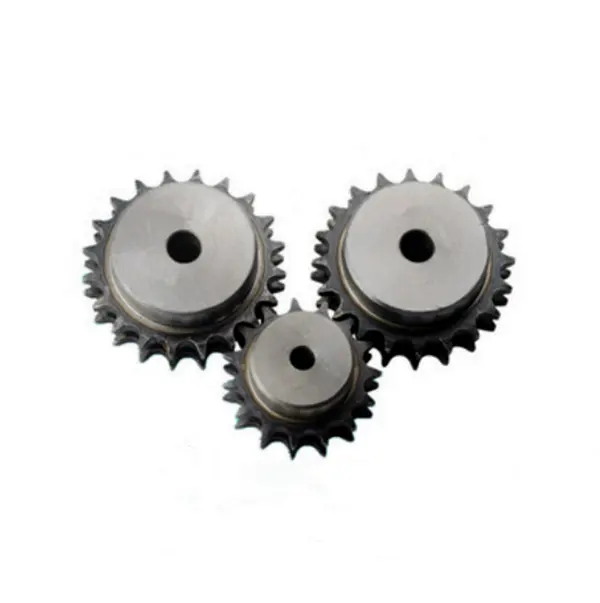
Special Considerations for Using a wheel sprocket System in Off-Road Vehicles
Off-road vehicles operate in rugged and challenging environments, which can put additional stress on the wheel sprocket system. Here are some special considerations to keep in mind when using a wheel sprocket system in off-road vehicles:
- Material Selection: Choose high-quality materials for the wheel sprocket that can withstand rough terrains, impacts, and exposure to elements. Materials like hardened steel or alloys with good impact resistance are commonly used.
- Sealing and Protection: Ensure that the wheel bearings and sprocket teeth are adequately sealed to prevent dirt, mud, water, and other debris from entering. Proper sealing helps to maintain smooth operation and prolong the lifespan of components.
- Reinforcement: Consider reinforcing the wheel sprocket assembly if the vehicle will encounter heavy loads or extreme conditions. Reinforcements can add strength and durability to handle challenging off-road conditions.
- Lubrication: Use a high-quality lubricant suitable for off-road conditions. Frequent lubrication is crucial to reduce friction, prevent corrosion, and protect components from wear and tear.
- Regular Inspection: Off-road vehicles experience higher vibrations and shocks, leading to accelerated wear. Perform regular inspections to detect any signs of damage, misalignment, or wear. Address issues promptly to avoid further problems.
- Shock Absorption: Consider incorporating shock-absorbing features or suspension systems to mitigate the impact on the wheel sprocket system during off-road driving. This helps to protect the components and improve overall vehicle performance.
- Environmental Considerations: Off-road environments often expose the wheel sprocket system to dirt, sand, water, and other harsh elements. Choose coatings or treatments that offer corrosion resistance to protect against environmental damage.
- Weight Consideration: Off-road vehicles may need to be lightweight to navigate difficult terrains effectively. Ensure the wheel sprocket components strike a balance between durability and weight to optimize vehicle performance.
- Service and Maintenance: Establish a regular maintenance schedule and perform necessary servicing after each off-road trip. Cleaning, inspection, and replacement of worn parts are vital to ensure the system’s reliability.
By taking these special considerations into account, the wheel sprocket system in off-road vehicles can withstand the demands of rough terrains and provide reliable performance in challenging environments.

Choosing the Right Size of Sprocket to Match a Wheel
Choosing the correct size of sprocket to match a wheel is essential for ensuring efficient power transmission and proper functionality of a mechanical system. Here are the steps to help you choose the right size of sprocket:
1. Determine the Pitch Diameter of the Wheel:
Measure the diameter of the wheel from the center to the point where the teeth of the sprocket will engage with the wheel. This measurement is known as the pitch diameter of the wheel.
2. Identify the Desired Gear Ratio:
Determine the gear ratio you want to achieve for your application. The gear ratio is the ratio of the number of teeth on the sprocket to the number of teeth on the wheel and determines the speed and torque output.
3. Calculate the Number of Teeth on the Sprocket:
Once you have the pitch diameter of the wheel and the desired gear ratio, you can calculate the number of teeth on the sprocket using the formula:
Number of Teeth on Sprocket = (Desired Gear Ratio) * (Number of Teeth on Wheel)
4. Select a Standard Sprocket Size:
Based on the calculated number of teeth on the sprocket, choose a standard sprocket size that comes closest to the calculated value. Sprockets are available in various tooth counts, and you may need to choose the nearest size available.
5. Consider Chain Compatibility:
If you are using a chain drive system, ensure that the selected sprocket is compatible with the chain you plan to use. The chain pitch (distance between the centers of adjacent roller pins) should match the pitch of the sprocket.
6. Verify Center Distance:
Check that the center distance between the wheel and the sprocket is appropriate for your application. The center distance is the distance between the centers of the wheel and the sprocket and should be set to achieve the desired tension and alignment of the chain or belt.
7. Consider the Material and Tooth Profile:
Select a sprocket material suitable for your application, such as steel, stainless steel, or plastic, based on factors like load, environment, and operating conditions. Additionally, consider the tooth profile (standard or custom) to ensure smooth engagement with the chain or belt.
By following these steps and considering the specific requirements of your machinery and mechanical system, you can choose the right size of sprocket to match your wheel and achieve optimal performance and longevity of the system.


editor by CX 2024-02-21