Description du produit
Description du produit
Chain sprocket
With more than 15 years’ experience, high-precision equipment and strict management system, CIMO can provide sprockets for you with stable quality and best service.
| Item | Pignon |
| Standard | DIN, KANA, ANSI, ISO, etc |
| Material | C45, stainless steel SS304 & SS316, Cast iron, etc |
| Bore | Pilot bore, finished bore, taper bore |
| Surface Treatment | Black oxided, Zinc plated, Electrophoresis, etc |
| Heat treatment | Teeth inductive hardened HRC45-50 |
| Process | Forging, Cutting, Hobbing teeth, CNC Lathe machining |
| European Type | 03B, 04B, 05B, 06B, 081B, 083B/084B, 085B, 086B, 08B, 10B, 12B, 16B, 20B, 24B, 28B, 32B |
| American Type | 25, 35, 40, 50, 60, 80, 100, 120, 140, 160, 200, 240 |
|
Taper bore sprockets |
|
| Finished bore sprockets | |
|
Idler sprockets with ball bearing |
|
|
Double simplex sprockets |
|
|
Sprockets with split taper bushings |
|
|
Sprockets with QD bushings |
|
| Double sprockets for 2 single chains | |
|
Double pitch sprockets |
C2042, C2052, C2062, C2082, C2040, C2050, C2060, C2080 |
| Platewheels for Conveyor chain | 20x16mm, 30×17.02mm |
Photos détaillées
Workshop
Emballage et expédition
Export wooden box
FAQ
Q1: Are you trading company or manufacturer ?
A: We are factory.
Q2: How long is your delivery time and shipment?
1.Sample Lead-times: 10-20 days
2.Production Lead-times: 30-45 days after order confirmed.
Q3: What is your advantages?
1. The most competitive price and good quality.
2. Perfect technical engineers give you the best support.
3. OEM is available.
| Standard ou non standard : | Non standard |
|---|---|
| Application: | Motor, Electric Cars, Motorcycle, Machinery, Agricultural Machinery, Chain |
| Dureté: | Hardened Tooth Surface |
| Méthode de fabrication : | Cut Gear |
| Forme de la partie dentelée : | Pignon |
| Matériel: | Steel C45 |
| Personnalisation : |
Disponible
| Demande personnalisée |
|---|
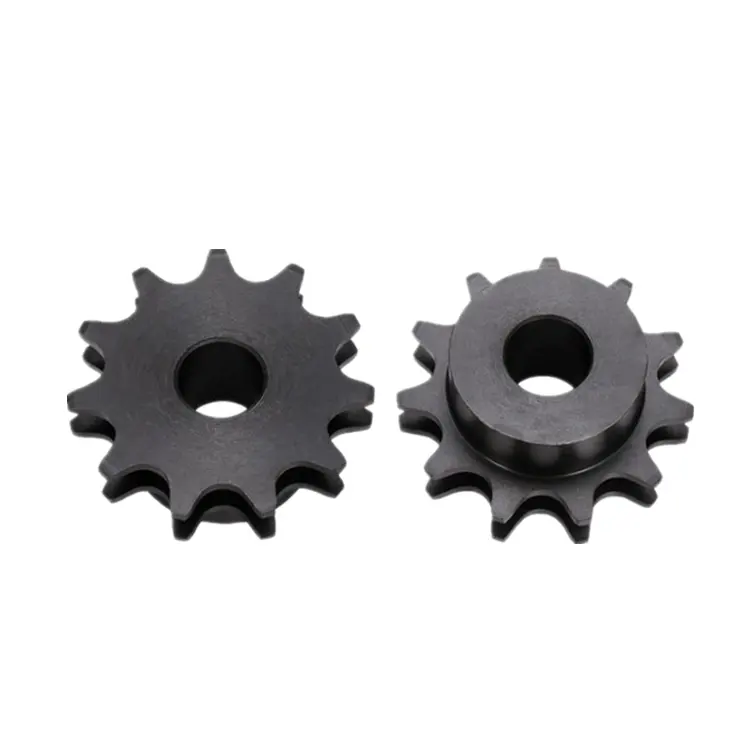
wheel sprocket System in Heavy Machinery and Industrial Equipment
Yes, a wheel sprocket system is commonly used in heavy machinery and industrial equipment for power transmission and motion control. The wheel sprocket configuration is a versatile and efficient method of transmitting rotational force between two shafts.
In heavy machinery and industrial equipment, the wheel is typically attached to one shaft, while the sprocket is mounted on another shaft. A chain or a toothed belt is wrapped around the wheel sprocket, connecting them. When the wheel is rotated, the chain or belt engages with the sprocket, causing the sprocket and the connected shaft to rotate as well. This mechanism allows the transfer of power from one shaft to the other, enabling various components and parts of the machinery to function.
Common applications of the wheel sprocket system in heavy machinery include:
- Construction Machinery: Wheel loaders, excavators, cranes, and other construction equipment often use wheel sprocket systems for efficient power transmission in various moving parts.
- Material Handling Equipment: Forklifts, conveyor systems, and other material handling equipment utilize wheel sprocket configurations to move goods and materials smoothly and reliably.
- Mining Equipment: Mining machinery, such as drilling rigs and conveyors, often incorporate wheel sprocket assemblies for power transmission in challenging environments.
- Agricultural Machinery: Tractors, combines, and other agricultural equipment use wheel sprocket systems to drive various components like wheels and harvesting mechanisms.
- Industrial Robotics: Robots and automated systems in manufacturing often utilize wheel sprocket setups for precise motion control and efficient power transmission.
One of the key advantages of the wheel sprocket system is its ability to handle heavy loads and transmit power over long distances. It is a reliable and cost-effective method of power transmission in various industrial settings. However, proper maintenance and alignment are crucial to ensuring the system’s optimal performance and longevity.
Overall, the wheel sprocket system is a widely used and effective power transmission solution in heavy machinery and industrial equipment, offering versatility and efficiency in a range of applications.
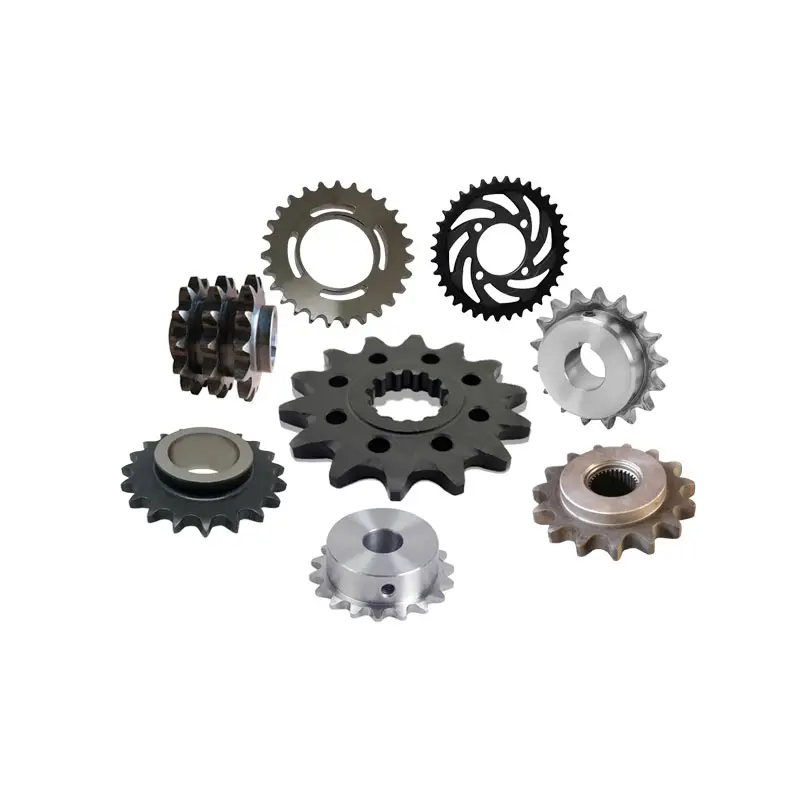
Extending the Lifespan of a wheel sprocket Assembly
To ensure a long lifespan for your wheel sprocket assembly, consider the following maintenance and operational practices:
- Regular Lubrication: Apply the appropriate lubricant to the sprocket teeth and chain or belt regularly. Lubrication reduces friction, wear, and the likelihood of premature failure.
- Proper Tension: Maintain the correct tension in the chain or belt to prevent excessive stress and wear. Follow the manufacturer’s guidelines for tensioning.
- Alignment: Ensure precise alignment between the wheel sprocket. Misalignment can cause accelerated wear and increase the risk of failure.
- Inspections: Regularly inspect the wheel, sprocket, chain, or belt for signs of wear, damage, or fatigue. Replace any worn-out or damaged components promptly.
- Cleanliness: Keep the wheel sprocket assembly clean from dirt, debris, and contaminants that can contribute to wear and corrosion.
- Correct Usage: Operate the machinery within the recommended speed, load, and temperature limits specified by the manufacturer.
- Training and Operator Awareness: Ensure that equipment operators are properly trained to use the machinery correctly and are aware of maintenance procedures.
- Use Quality Components: Invest in high-quality wheels, sprockets, chains, or belts from reputable suppliers to improve durability and reliability.
- Replace Components in Sets: When replacing parts, consider replacing the entire set (e.g., chain and sprockets) to maintain uniform wear and performance.
- Address Vibration Issues: Excessive vibration can accelerate wear. Investigate and address any vibration problems promptly.
By following these practices, you can significantly extend the lifespan of your wheel sprocket assembly, reduce downtime, and enhance the overall efficiency and safety of your machinery.
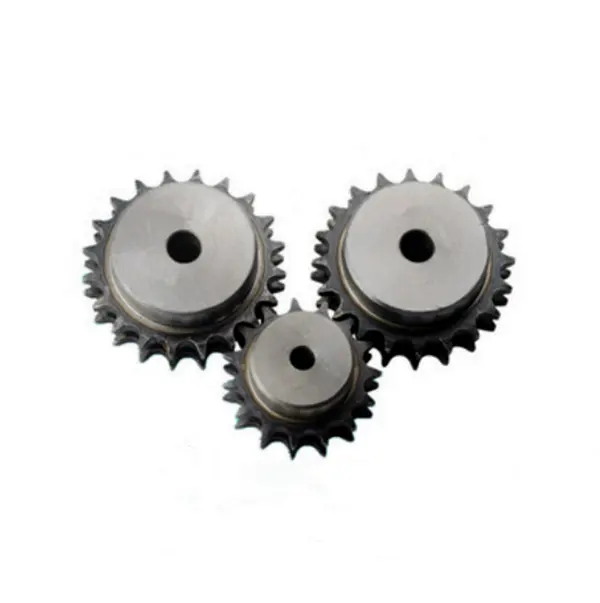
Principe de fonctionnement d'un système de roue et pignon
Dans un système roue-pignon, le pignon est une roue dentée qui s'engrène avec une chaîne ou une courroie pour transmettre le mouvement de rotation et la puissance d'un composant à un autre. Son principe de fonctionnement peut être expliqué en plusieurs étapes :
1. Alimentation électrique :
Le système commence par une source d'énergie, telle qu'un moteur électrique ou un moteur thermique, qui génère un mouvement de rotation ou un couple.
2. Pignon et chaîne/courroie :
La puissance est transmise au pignon, monté sur un arbre. Ce pignon possède des dents qui s'emboîtent dans les maillons de la chaîne ou s'engrènent avec celles de la courroie.
3. Mouvement chaîne/courroie :
Lorsque le pignon tourne, il entraîne la chaîne ou la courroie grâce à l'engrènement de ses dents. Ce mouvement est transmis à l'élément relié, qui peut être un autre pignon, une roue ou toute autre pièce de la machine.
4. Puissance de sortie :
Le mouvement de rotation ou la puissance est ensuite transmis au composant connecté, qui remplit une fonction spécifique selon l'application. Par exemple, cette puissance peut servir à entraîner un convoyeur, à faire tourner les roues d'un véhicule ou à actionner diverses machines industrielles.
5. Vitesse et couple :
La taille du pignon et le nombre de dents, ainsi que la taille de la chaîne ou de la courroie, déterminent le rapport de vitesse et de couple entre les composants d'entrée et de sortie. Modifier la taille du pignon ou utiliser des pignons de tailles différentes dans le système peut modifier les caractéristiques de vitesse et de couple de la machine.
6. Efficacité et maintenance :
Une transmission de puissance efficace repose sur un alignement et une tension corrects de la chaîne ou de la courroie avec le pignon. Un entretien régulier, comprenant la lubrification et l'inspection, est essentiel pour garantir un fonctionnement optimal et prévenir l'usure prématurée ou l'endommagement du système.
Le système de pignon de roue est largement utilisé dans diverses applications, notamment les bicyclettes, les motos, les machines industrielles, les équipements agricoles, etc., où une transmission de puissance efficace et un contrôle du mouvement sont nécessaires.


editor by CX 2023-12-11