Mô tả sản phẩm
OEM Chain wheel ISO Standard Sprocket
1. Description
| No. | Item | Description |
| 1 | Name | Nhông xích |
| 2 | Size | Products can be customized. |
| 3 | Vật liệu | Thép 45#, 20CrMnTi, 40Cr, 20CrNiMo, 20MnCr5, GCR15SiMn, 42CrMo, thép không gỉ 2Cr13, Nylon, Bakelite, Đồng, Nhôm, v.v. |
| 4 | Production Process | The main process is Gear Hobbing. |
| 5 | Heat Treatment | Carburizing and quenching ,High-frequency quenching,Nitriding, Hardening and tempering, Selecting heat treatment according to the different materials. |
| 6 | Thiết bị thử nghiệm | Rockwell hardness tester 500RA, Double mesh instrument HD-200B & 3102,Gear measurement center instrument CNC3906T and other High precision detection equipments |
| 7 | Chứng nhận | GB/T19001-2016/ISO9001:2015 |
| 8 | Usage | Used in printing machine, cleaning machine, medical equipment, garden machine, construction machine, electric car, valve, forklift, transportation equipment and various gear reducers.etc |
| 9 | Package | According to customer’s request |
2. Photos
3. Order process
a. Customer sends us the drawing or sample, If only sample, our company supply the CAD drawing.
b. Our company supplies the processing technique and quotation.
c. Our company supplies the sample after customer confirmed processing technique and quotation.
d. Customer places the order after confirm the sample.
e. Customer pay 50% deposit
f. Quantity production.
g. Pay the balance after the acceptance and confirmation.
h. Delivery
| Tiêu chuẩn hay không tiêu chuẩn: | Tiêu chuẩn |
|---|---|
| Ứng dụng: | Motor, Motorcycle, Industry |
| Độ cứng: | Soft Tooth Surface |
| Phương pháp sản xuất: | Mumerical Control Late, Machine Center, Grinding |
| Hình dạng phần răng cưa: | Involute |
| Vật liệu: | 45#Steel,20crmnti,40cr,20CrNiMo,20mncr5,Gcr15simn, |
| Tùy chỉnh: |
Có sẵn
| Yêu cầu tùy chỉnh |
|---|

Factors Affecting the Efficiency of a wheel sprocket Setup
Several factors can influence the efficiency of a wheel sprocket system in power transmission and motion control applications. These factors should be carefully considered and optimized to ensure the system’s overall effectiveness and performance:
- 1. Friction: Friction between the wheel, sprocket, and the chain or belt can lead to energy losses. Using high-quality materials and lubrication can help reduce friction and improve efficiency.
- 2. Alignment: Proper alignment between the wheel and the sprocket is critical. Misalignment can cause increased wear, noise, and reduced efficiency. Regular maintenance and alignment checks are essential.
- 3. Tension: The correct tension in the chain or belt is crucial for efficient power transmission. Too loose or too tight tension can lead to performance issues and premature wear.
- 4. Material and Design: The choice of materials for the wheel sprocket, as well as their design, can impact efficiency. High-quality materials and well-engineered components reduce wear and improve overall system performance.
- 5. Load Distribution: Uneven load distribution across the wheel sprocket can lead to localized wear and decreased efficiency. Ensuring proper load distribution helps maintain uniform wear and power transmission.
- 6. Environmental Factors: Harsh environmental conditions, such as dust, moisture, and extreme temperatures, can affect the efficiency of the system. Choosing suitable materials and implementing protective measures can mitigate these effects.
- 7. Maintenance: Regular maintenance, including lubrication, inspection, and timely replacement of worn components, is vital for the long-term efficiency of the system.
- 8. Speed and Torque: The operating speed and torque requirements of the application should be considered when selecting the appropriate wheel sprocket size and specifications.
- 9. Chain or Belt Type: Different types of chains or belts, such as roller chains, silent chains, or toothed belts, have varying efficiencies. Choosing the right type for the specific application is crucial.
- 10. System Integration: The wheel sprocket system should be integrated correctly with other components in the machinery to ensure smooth operation and minimal energy losses.
By carefully considering and optimizing these factors, it is possible to improve the efficiency of the wheel sprocket system, leading to reduced energy consumption, less wear and tear, and overall better performance.
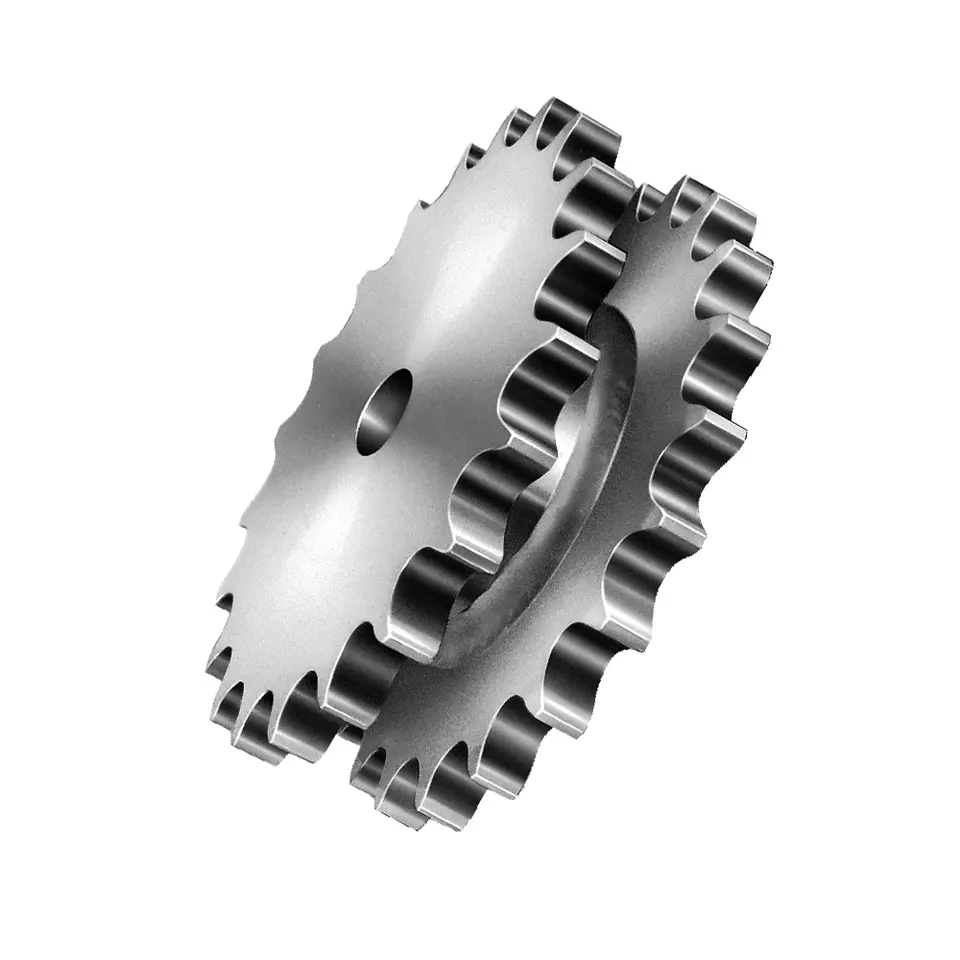
Giới hạn nhiệt độ cho hoạt động của hệ thống nhông xích bánh răng
Giới hạn nhiệt độ hoạt động của hệ thống nhông xích phụ thuộc vào vật liệu được sử dụng trong cấu tạo các bộ phận. Các vật liệu khác nhau có khả năng chịu nhiệt khác nhau, và vượt quá giới hạn này có thể dẫn đến giảm hiệu suất, mài mòn sớm, và thậm chí là hỏng hệ thống.
Dưới đây là một số vật liệu thông dụng được sử dụng trong hệ thống nhông xích bánh xe và giới hạn nhiệt độ chung của chúng:
- Thép: Các bánh răng và đĩa xích bằng thép, được sử dụng rộng rãi trong nhiều ứng dụng, thường có giới hạn nhiệt độ từ -40°C đến 500°C (-40°F đến 932°F). Tuy nhiên, phạm vi nhiệt độ cụ thể có thể thay đổi tùy thuộc vào loại thép và bất kỳ lớp phủ hoặc phương pháp xử lý nào được áp dụng.
- Thép không gỉ: Các bánh răng và nhông xích bằng thép không gỉ có khả năng chống ăn mòn tốt hơn và chịu được nhiệt độ cao hơn so với thép thông thường. Giới hạn nhiệt độ của chúng thường nằm trong khoảng từ -100°C đến 600°C (-148°F đến 1112°F).
- Nhựa: Các bánh răng và đĩa xích bằng nhựa thường được sử dụng trong các ứng dụng tải trọng thấp và tốc độ thấp. Giới hạn nhiệt độ của các bộ phận bằng nhựa thay đổi rất nhiều tùy thuộc vào loại nhựa được sử dụng. Nói chung, nó có thể dao động từ -40°C đến 150°C (-40°F đến 302°F).
- Nhôm: Các bánh răng và đĩa xích bằng nhôm có giới hạn nhiệt độ khoảng -40°C đến 250°C (-40°F đến 482°F). Chúng thường được sử dụng trong các ứng dụng mà việc giảm trọng lượng là rất quan trọng.
Điều cần thiết là phải tham khảo thông số kỹ thuật của nhà sản xuất và bảng dữ liệu vật liệu cho các bộ phận cụ thể được sử dụng trong hệ thống nhông xích bánh răng để xác định chính xác giới hạn nhiệt độ của chúng. Các yếu tố như tải trọng, tốc độ và điều kiện môi trường cũng có thể ảnh hưởng đến khả năng chịu nhiệt thực tế của hệ thống.
Khi vận hành hệ thống bánh răng truyền động gần giới hạn nhiệt độ hoạt động, việc giám sát và bảo trì thường xuyên là cần thiết để đảm bảo tính toàn vẹn của các bộ phận và hiệu suất tổng thể của hệ thống. Nếu ứng dụng liên quan đến nhiệt độ khắc nghiệt vượt quá giới hạn thông thường của vật liệu, có thể cần đến các vật liệu chịu nhiệt chuyên dụng hoặc các biện pháp làm mát để duy trì hoạt động đáng tin cậy.
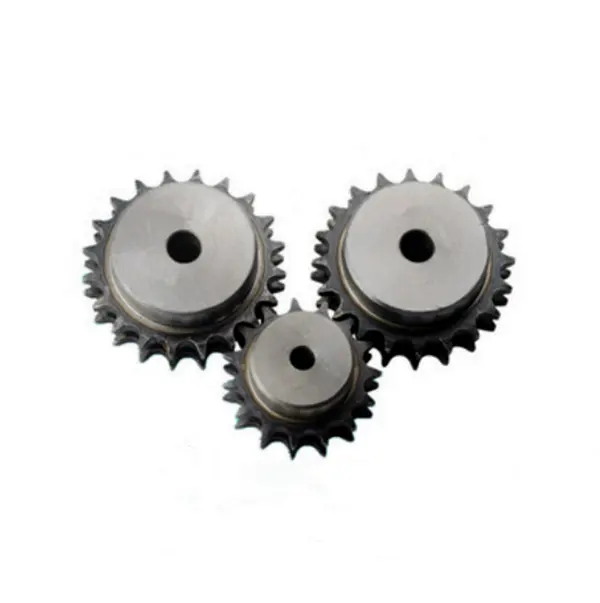
Working Principle of a wheel sprocket System
In a wheel sprocket system, the sprocket is a toothed wheel that meshes with a chain or a belt to transmit rotational motion and power from one component to another. The working principle can be explained in the following steps:
1. Power Input:
The system begins with a power input source, such as an electric motor or an engine, that generates rotational motion or torque.
2. Sprocket and Chain/Belt:
The power is transferred to the sprocket, which is mounted on a shaft. The sprocket has teeth that fit into the gaps of the chain or engage with the teeth of the belt.
3. Chain/Belt Movement:
As the sprocket rotates, it pulls the chain or belt along with it due to the engagement between the teeth. This movement is transmitted to the connected component, which could be another sprocket, a wheel, or any other part of the machinery.
4. Power Output:
The rotational motion or power is then delivered to the connected component, which performs a specific function depending on the application. For example, the power could be used to drive a conveyor belt, rotate the wheels of a vehicle, or operate various industrial machines.
5. Speed and Torque:
The size of the sprocket and the number of teeth, along with the size of the chain or belt, determine the speed and torque ratio between the input and output components. Changing the size of the sprocket or using different-sized sprockets in the system can alter the speed and torque characteristics of the machinery.
6. Efficiency and Maintenance:
Efficient power transmission relies on proper alignment and tension of the chain or belt with the sprocket. Regular maintenance, such as lubrication and inspection, is essential to ensure smooth operation and prevent premature wear or damage to the system.
The wheel sprocket system is widely used in various applications, including bicycles, motorcycles, industrial machinery, agricultural equipment, and more, where efficient power transmission and motion control are required.


editor by CX 2023-11-03