Opis produktu
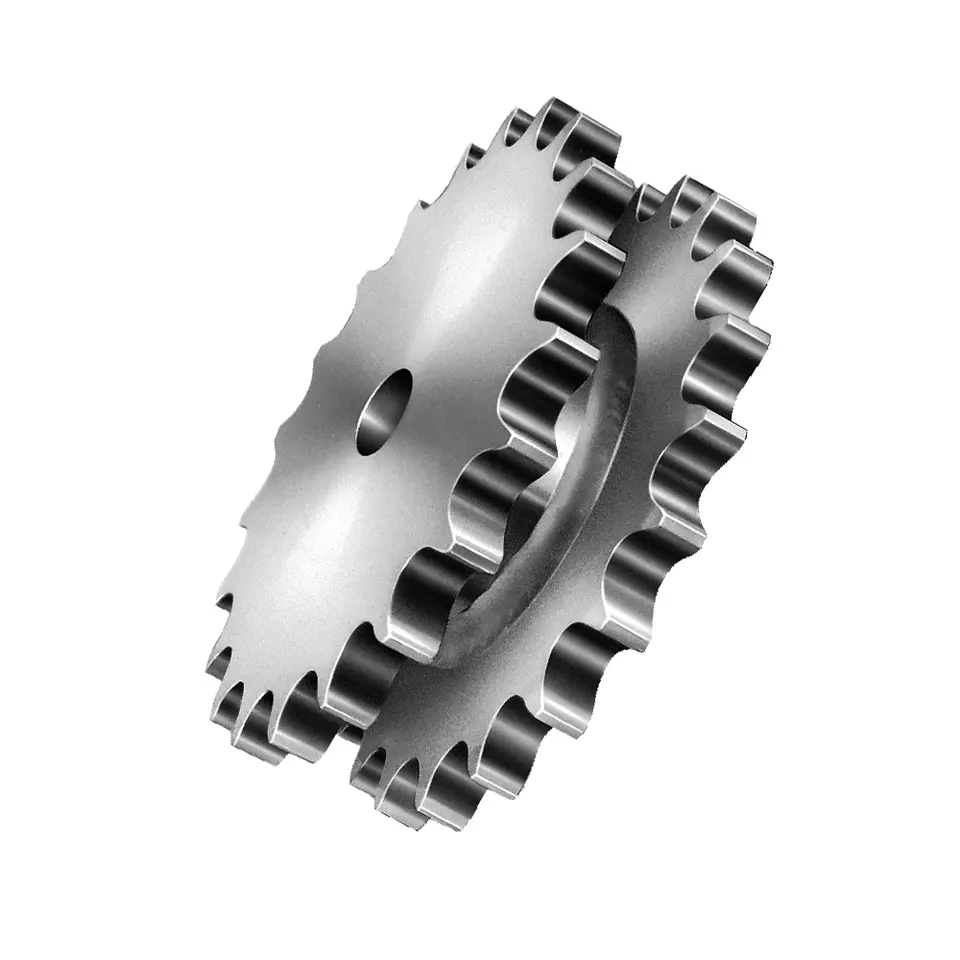
Sprockets for Drop Forged Chains
| Łańcuch Model |
Poziom (mm) |
Gear Number Z |
D2 (mm) |
D (mm) |
D3 (mm) |
D1 (mm) |
D4 (mm) |
A (mm) |
Number of Bolts |
Bolt Rozmiar |
B (mm) |
C (mm) |
| P100 | 100 | 6 | 197.8 | 70 | 105 | 143 | 135 | 83 | 6 | M12 | 16 | 36 |
| 100 | 7 | 228.2 | 70 | 108 | 146 | 173 | 83 | 6 | M12 | 16 | 36 | |
| 100 | 8 | 259.1 | 85 | 144 | 170 | 196 | 83 | 6 | M12 | 16 | 36 | |
| 100 | 9 | 290.4 | 105 | 174 | 200 | 232 | 83 | 6 | M12 | 16 | 36 | |
| 100 | 10 | 321.9 | 105 | 179 | 241.3 | 264 | 83 | 8 | M12 | 16 | 36 | |
| P142 | 142 | 6 | 284 | 85 | 136.5 | 168.3 | 190.5 | 112 | 6 | M12 | 16 | 46 |
| 142 | 7 | 327.3 | 105 | 162 | 200 | 234 | 112 | 6 | M16 | 16 | 46 | |
| 142 | 8 | 371.1 | 115 | 187.3 | 241.3 | 282 | 127 | 8 | M20 | 16 | 46 | |
| 142 | 9 | 415.2 | 150 | 240 | 285.8 | 330 | 127 | 8 | M20 | 16 | 46 | |
| 142 | 10 | 459.5 | 150 | 240 | 285.8 | 330 | 127 | 8 | M20 | 16 | 46 | |
| 142 | 11 | 504 | 170 | 310 | 368.3 | 419 | 150 | 8 | M20 | 16 | 46 | |
| 142 | 12 | 548.6 | 170 | 345 | 415 | 465 | 150 | 8 | M20 | 16 | 46 | |
| 142 | 13 | 593.4 | 170 | 380 | 470 | 521 | 150 | 8 | M20 | 16 | 46 | |
| 142 | 14 | 638.1 | 170 | 380 | 470 | 546 | 150 | 10 | M20 | 16 | 46 | |
| P142H | 142 | 7 | 327.3 | 105 | 162 | 200 | 234 | 127 | 6 | M16 | 18 | 69 |
| 142 | 8 | 371.1 | 115 | 187.3 | 241.3 | 282 | 150 | 8 | M20 | 18 | 69 | |
| 142 | 9 | 415.2 | 150 | 240 | 285.8 | 330 | 150 | 8 | M20 | 18 | 69 | |
| 142 | 10 | 459.5 | 150 | 240 | 285.8 | 330 | 150 | 8 | M20 | 18 | 69 | |
| 142 | 11 | 504 | 170 | 310 | 368.3 | 419 | 150 | 8 | M20 | 18 | 69 | |
| 142 | 12 | 548.6 | 170 | 345 | 415 | 465 | 150 | 8 | M20 | 18 | 69 | |
| 142 | 13 | 593.4 | 170 | 380 | 470 | 520 | 180 | 8 | M20 | 18 | 69 | |
| 142 | 14 | 638.1 | 170 | 380 | 470 | 546 | 180 | 10 | M20 | 18 | 69 |
Trailers for Drop Forged Chains
| Chain Model | Gear Number Z |
D1 (mm) |
D (mm) |
A (mm) |
C (mm) |
| P100 | 6 | 197.8 | 65 | 57 | 35 |
| 7 | 228.2 | 65 | 57 | 35 | |
| 8 | 259.1 | 65 | 57 | 35 | |
| 9 | 290.4 | 65 | 57 | 35 | |
| 10 | 321.9 | 65 | 57 | 35 | |
| P142 | 6 | 284 | 85 | 74 | 45 |
| 7 | 327.3 | 85 | 74 | 45 | |
| 8 | 371.1 | 85 | 77 | 45 | |
| 9 | 415.2 | 115 | 77 | 45 | |
| 10 | 459.5 | 115 | 77 | 45 | |
| 11 | 504 | 115 | 105 | 45 | |
| 12 | 548.6 | 115 | 105 | 45 | |
| 13 | 593.4 | 115 | 120 | 45 | |
| 14 | 638.1 | 115 | 120 | 45 | |
| P142H | 7 | 327.3 | 115 | 110 | 75 |
| 8 | 371.1 | 115 | 110 | 75 | |
| 9 | 415.2 | 115 | 110 | 75 | |
| 10 | 459.5 | 115 | 120 | 75 | |
| 11 | 504 | 140 | 120 | 75 | |
| 12 | 548.6 | 140 | 120 | 75 | |
| 13 | 593.4 | 140 | 120 | 75 | |
| 14 | 638.1 | 140 | 140 | 75 |
Note: Customized sizes and material are available CZPT request
Sprockets for Roller Conveyor Chains
| Model | Pitch(mm) | Gear Number Z |
d1 (mm) |
d (mm) |
D (mm) |
D1 (mm) |
A (mm) |
B (mm) |
| 66.675 | 66.675 | 6 | 22.23 | 133.41 | 40 | 75 | 80 | 22.8 |
| 66.675 | 7 | 22.23 | 153.74 | 40 | 75 | 80 | 22.8 | |
| 66.675 | 8 | 22.23 | 174.31 | 50 | 100 | 100 | 22.8 | |
| 66.675 | 9 | 22.23 | 195.04 | 50 | 100 | 100 | 22.8 | |
| 66.675 | 10 | 22.23 | 215.87 | 60 | 110 | 100 | 22.8 | |
| 66.675 | 11 | 22.23 | 236.78 | 60 | 110 | 100 | 22.8 | |
| 66.675 | 12 | 22.23 | 257.74 | 60 | 110 | 100 | 22.8 | |
| 100 | 100 | 8 | 36 | 261.44 | 60 | 110 | 100 | 33.2 |
| 100 | 9 | 36 | 292.52 | 70 | 120 | 100 | 33.2 | |
| 100 | 10 | 36 | 323.77 | 70 | 120 | 100 | 33.2 |
Tht
The full range of our conveyor products:
| Transport Package: | Pallet |
|---|---|
| Specification: | Drop Forged Chain Sprockets, Roller Chain Sprocket |
| Trademark: | Yutung |
| Origin: | China |
| Próbki: |
US$ 10/Piece
1 sztuka (minimalne zamówienie) | |
|---|
| Personalizacja: |
Dostępny
| Spersonalizowane żądanie |
|---|
How to Identify and Troubleshoot Common Issues with Wheels and Sprockets
Identifying and troubleshooting common issues with wheels and sprockets can help you maintain their proper functioning and prevent potential problems. Here are some steps to follow:
- Abnormal Noise: If you notice unusual noise during operation, it could indicate misalignment, worn sprockets, or a loose chain. Check for any loose bolts or fasteners and ensure proper alignment of the sprockets.
- Chain Slippage: Chain slippage can occur due to insufficient tension or worn-out sprocket teeth. Check the chain tension and adjust it to the recommended level. Inspect the sprocket teeth for signs of wear and replace them if necessary.
- Uneven Wear: Uneven wear on the sprocket teeth can be a result of misalignment or a worn-out chain. Check the alignment of the sprockets and adjust as needed. If the chain is stretched or has damaged links, replace it with a new one.
- Excessive Vibration: Excessive vibration may be caused by imbalanced wheels or misaligned sprockets. Check for any bent or damaged wheels and ensure proper alignment of the sprockets.
- Chain Skipping: If the chain skips over the sprocket teeth during operation, it could be due to worn sprocket teeth or a loose chain. Inspect the sprocket teeth for signs of wear and replace them if necessary. Adjust the chain tension to the proper level.
- Chain Jamming: Chain jamming can occur if there is debris or dirt between the chain and sprockets. Clean the chain and sprockets thoroughly to remove any obstructions.
- Excessive Chain Wear: Regularly inspect the chain for signs of wear, such as elongation, damaged links, or rust. Replace the chain if it is significantly worn to avoid damage to the sprockets.
- Overheating: Overheating can be caused by high friction between the chain and sprockets or improper lubrication. Ensure proper lubrication and check for any misalignment or tight spots in the system.
By identifying these common issues and performing regular inspections, you can troubleshoot problems early on and take appropriate corrective measures, ensuring the smooth operation and longevity of the wheel sprocket assembly.
Temperature Limits for wheel sprocket System’s Operation
The temperature limits for a wheel sprocket system’s operation depend on the materials used in the construction of the components. Different materials have varying temperature tolerances, and exceeding these limits can lead to reduced performance, premature wear, and even system failure.
Here are some common materials used in wheel sprocket systems and their general temperature limits:
- Steel: Steel sprockets and wheels, which are widely used in many applications, typically have a temperature limit ranging from -40°C to 500°C (-40°F to 932°F). However, the specific temperature range may vary based on the grade of steel and any coatings or treatments applied.
- Stainless Steel: Stainless steel sprockets and wheels offer improved corrosion resistance and can withstand higher temperatures than regular steel. Their temperature limit is typically between -100°C to 600°C (-148°F to 1112°F).
- Plastics: Plastic sprockets and wheels are commonly used in low-load and low-speed applications. The temperature limit for plastic components varies widely depending on the type of plastic used. In general, it can range from -40°C to 150°C (-40°F to 302°F).
- Aluminum: Aluminum sprockets and wheels have a temperature limit of approximately -40°C to 250°C (-40°F to 482°F). They are often used in applications where weight reduction is critical.
It’s essential to consult the manufacturer’s specifications and material data sheets for the specific components used in the wheel sprocket system to determine their temperature limits accurately. Factors such as load, speed, and environmental conditions can also influence the actual temperature tolerance of the system.
When operating a wheel sprocket system near its temperature limits, regular monitoring and maintenance are necessary to ensure the components’ integrity and overall system performance. If the application involves extreme temperatures beyond the typical limits of the materials, specialized high-temperature materials or cooling measures may be required to maintain reliable operation.
W jaki sposób koło zębate przekazuje moc?
W układzie mechanicznym zespół koła zębatego jest powszechną metodą przenoszenia mocy, szczególnie w przypadku ruchu obrotowego. Proces przenoszenia mocy przez zespół koła zębatego obejmuje następujące kroki:
1. Źródło danych wejściowych:
Proces przenoszenia mocy rozpoczyna się od źródła sygnału wejściowego, takiego jak silnik elektryczny, silnik spalinowy lub siła ludzka. To źródło sygnału wejściowego zapewnia niezbędną siłę obrotową (moment obrotowy) do napędzania układu.
2. Obrót koła:
Gdy źródło sygnału wejściowego przyłoży siłę obrotową do koła, zaczyna ono obracać się wokół swojej osi centralnej (osi). Konstrukcja i właściwości materiału koła są kluczowe dla wytrzymywania przyłożonego obciążenia i zapewnienia płynnego obrotu.
3. Zazębianie się zębatek:
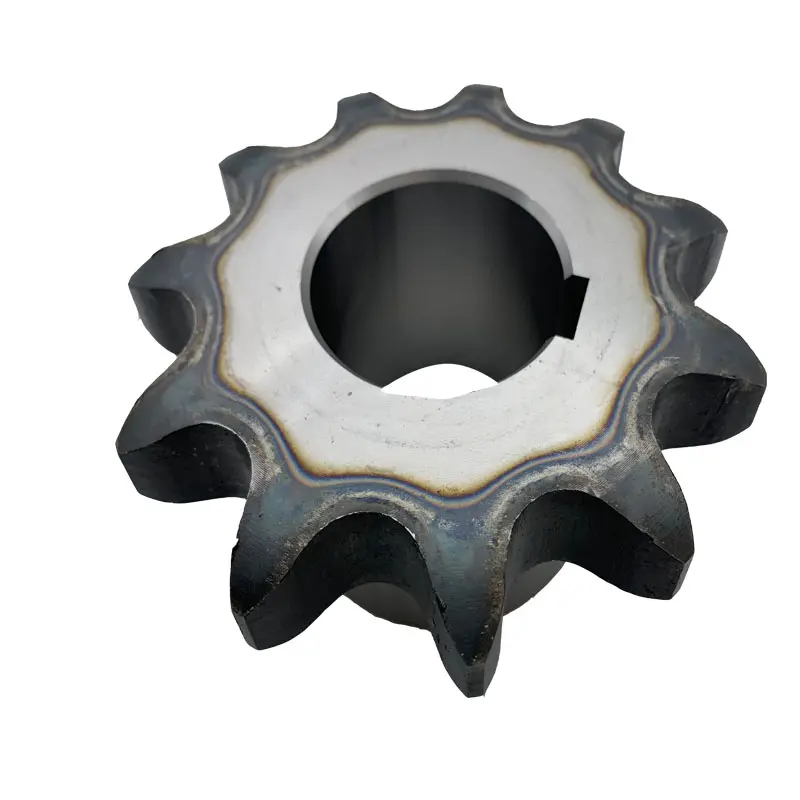
Do koła zębatego przymocowana jest zębatka, czyli koło zębate zaprojektowane do zazębiania się z łańcuchem. Podczas obrotu koła zęby zębatki zazębiają się z ogniwami łańcucha, tworząc układ napędowy.
4. Obrót łańcucha:
Gdy koło zębate zazębia się z łańcuchem, siła obrotowa jest przenoszona na łańcuch. Ogniwa łańcucha przenoszą ten ruch obrotowy na całej jego długości.
5. Komponent napędzany:
Drugi koniec łańcucha jest połączony z napędzanym kołem zębatym, które jest przymocowane do elementu, który ma być napędzany. Tym napędzanym elementem może być inne koło, taśmociąg lub dowolna inna część maszyny wymagająca ruchu.
6. Przeniesienie napędu:
Gdy łańcuch obraca się w wyniku zazębienia z kołem zębatym, koło zębate również zaczyna się obracać, przenosząc siłę obrotową na element napędzany. Element napędzany otrzymuje teraz moc i ruch ze źródła wejściowego poprzez zespół koła zębatego, koła zębatego i łańcucha.
7. Wyjście i działanie:
Napędzany element spełnia swoją funkcję w oparciu o otrzymaną moc i ruch. Na przykład w rowerze łańcuch i zębatka przekazują moc z pedałowania rowerzysty na tylne koło, napędzając rower do przodu.
Ogólnie rzecz biorąc, zespół koła zębatego jest wydajną i niezawodną metodą przenoszenia mocy, powszechnie stosowaną w różnych zastosowaniach, w tym w rowerach, motocyklach, maszynach przemysłowych i systemach przenośnikowych.


editor by CX 2023-11-10