Produktbeschreibung
Yuchen power tramsmission offer all the sprocket
Produktbeschreibung
1. American Standard, European Standard, Japanese Standard
2. Pilot bore, finished bore, taper bore and special bore available
3. Bright surface and high precision
4. Advanced heat treatment and surface treatment crafts
5. Better quality and competitive price.
6. Material C45(1045), low carbon steel, 40Cr, 20CrMnTi, stainless steel such as SS316L, SS316, SS304, SS420, copper etc. available
7. Standard sea worthy package to Europe and American
8. High speed digital gear hobbing machines to guarantee the teeths quality
9. Corrosion resistance treatment available
10. Control on tolerance and easy to install
11. Good material and good treatment to make sure long life span
12. OEM/ODM welcome
Product show
Manufacture process
| Business type | Manufacturer & Exporter |
| Main export market | Europe, North and South America, Southeast Asia, Oceania, Middle East, Africa |
| Material | C45, low carbon steel, 40Cr, cast iron, stainless steel, copper etc |
| Manufacturing method | Forged and then machined, hobbed, if need can also weld |
| Wärmebehandlung | High frequency quenching and so on |
| Surface treatment | Oxide black, Galvanized, Nickel plated, Chrome plated, Sandblasting, Painted and so on |
| Model | Type A & Type B, Single, Double, Triple – 35B10-80,40B9-90,50B9-90,60B9-90,80B9-90,100B9-90,120B9-80,140B10-60,160B10-60;06B10-125,08B9-125,10B9-125,12B9-125,16B9-125,20B9-114,24B9-90,28B9-76,32B9-76, and other sprocket to fit with conveyor chain, transmission chain |
| Packing | Plywood Case/Pallet |
Häufig gestellte Fragen
Q1. What is your terms of packing?
A: Generally, we pack our goods in single color box. If you have special request about packing, pls negotiate with us in advance, we can pack the goods as your request.
Q2. What is your terms of payment?
A: T/T 30% as deposit, and 70% before delivery. We’ll show you the photos of the products and packages
before you pay the balance. Other payments terms, pls negotiate with us in advance, we can discuss.
Q3. What is your terms of delivery?
A: EXW, FOB, CFR, CIF.
Q4. How about your delivery time?
A: Generally, it will take 25 to 30 days after receiving your advance payment. The specific delivery time depends
on the items and the quantity of your order.
Q5. Can you produce according to the samples?
A: Yes, we can produce by your samples or technical drawings. We can build the molds and fixtures.
Q6. What is your sample policy?
A: We can supply the sample if we have ready parts in stock, but the customers have to pay the sample cost and
the courier cost.We welcome sample order.
Q7. Do you test all your goods before delivery?
A: Yes, we have 100% test before delivery
Q8: How do you make our business long-term and good relationship?
1. We keep good quality and competitive price to ensure our customers benefit ;
2. We respect every customer as our friend and we sincerely do business and make friends with them,
no matter where they come from.
/* 10. März 2571 17:59:20 */!function(){function s(e,r){var a,o={};try{e&&e.split(“,”).forEach(function(e,t){e&&(a=e.match(/(.*?):(.*)$/))&&1
| Standard oder Nichtstandard: | Nichtstandard |
|---|---|
| Anwendung: | Motor, Electric Cars, Motorcycle, Machinery, Toy, Agricultural Machinery |
| Härte: | Gehärtete Zahnoberfläche |
| Herstellungsverfahren: | Zahnrad |
| Form des gezahnten Abschnitts: | Kettenrad |
| Material: | Carbon Steel |
| Samples: |
US$ 0.6/Piece
1 Piece(Min.Order) | |
|---|
| Anpassung: |
Verfügbar
| Kundenspezifische Anfrage |
|---|
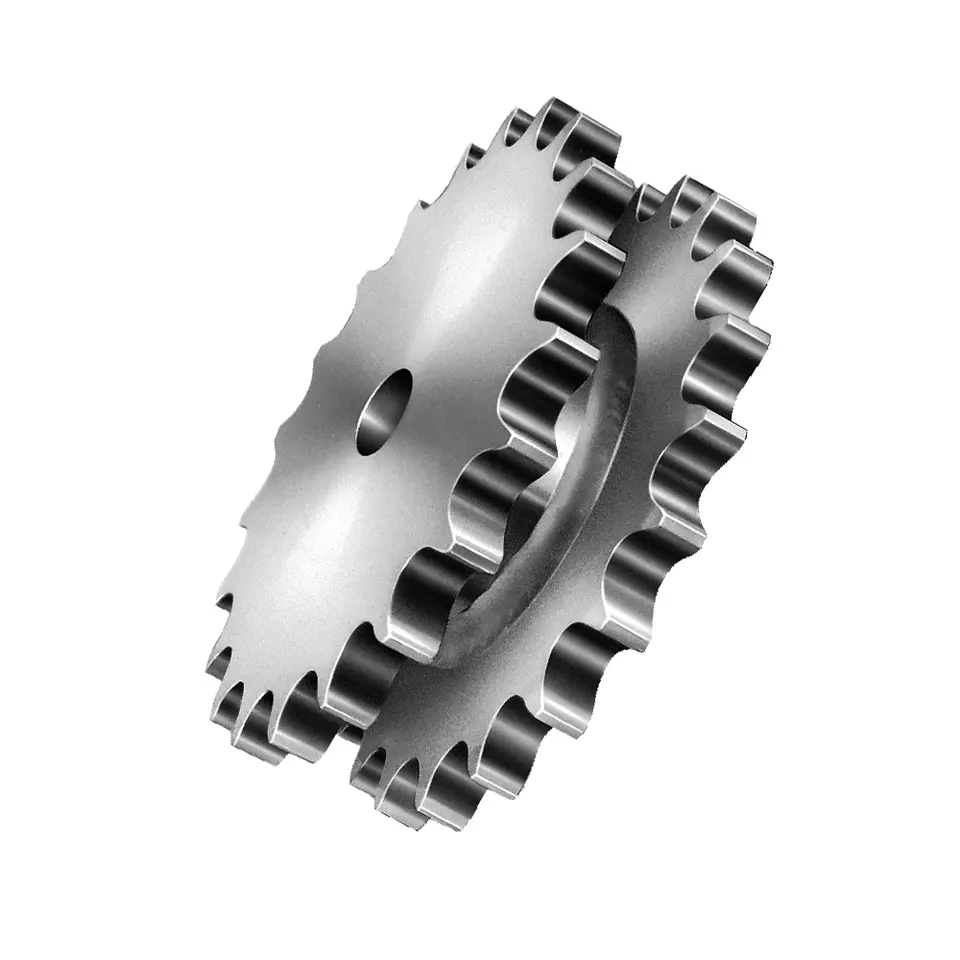
Wie man häufige Probleme mit Rädern und Kettenrädern erkennt und behebt
Das Erkennen und Beheben häufiger Probleme mit Rädern und Kettenrädern trägt dazu bei, deren einwandfreie Funktion zu gewährleisten und potenziellen Problemen vorzubeugen. Hier sind einige Schritte, die Sie befolgen sollten:
- Ungewöhnliche Geräusche: Wenn Sie während des Betriebs ungewöhnliche Geräusche bemerken, kann dies auf eine Fehlausrichtung, verschlissene Kettenräder oder eine lockere Kette hindeuten. Prüfen Sie, ob Schrauben oder Befestigungselemente locker sind und stellen Sie die korrekte Ausrichtung der Kettenräder sicher.
- Kettenrutschen: Kettenrutschen kann durch unzureichende Kettenspannung oder verschlissene Kettenradzähne verursacht werden. Überprüfen Sie die Kettenspannung und stellen Sie sie auf den empfohlenen Wert ein. Untersuchen Sie die Kettenradzähne auf Verschleißspuren und tauschen Sie sie gegebenenfalls aus.
- Ungleichmäßiger Verschleiß: Ungleichmäßiger Verschleiß der Kettenradzähne kann durch eine Fehlausrichtung oder eine verschlissene Kette verursacht werden. Überprüfen Sie die Ausrichtung der Kettenräder und korrigieren Sie diese gegebenenfalls. Ist die Kette gelängt oder weist sie beschädigte Glieder auf, ersetzen Sie sie durch eine neue.
- Übermäßige Vibrationen: Starke Vibrationen können durch Unwucht der Räder oder falsch ausgerichtete Kettenräder verursacht werden. Prüfen Sie die Räder auf Verformungen oder Beschädigungen und stellen Sie die korrekte Ausrichtung der Kettenräder sicher.
- Kettenüberspringen: Wenn die Kette während des Betriebs über die Kettenradzähne springt, kann dies an verschlissenen Kettenradzähnen oder einer lockeren Kette liegen. Prüfen Sie die Kettenradzähne auf Verschleiß und tauschen Sie sie gegebenenfalls aus. Stellen Sie die Kettenspannung korrekt ein.
- Kettenblockade: Kettenblockaden können auftreten, wenn sich Schmutz oder Ablagerungen zwischen Kette und Ritzel befinden. Reinigen Sie Kette und Ritzel gründlich, um jegliche Verunreinigungen zu entfernen.
- Übermäßiger Kettenverschleiß: Überprüfen Sie die Kette regelmäßig auf Verschleißerscheinungen wie Längung, beschädigte Glieder oder Rost. Ersetzen Sie die Kette, wenn sie stark abgenutzt ist, um Schäden an den Kettenrädern zu vermeiden.
- Überhitzung: Überhitzung kann durch hohe Reibung zwischen Kette und Ritzel oder unzureichende Schmierung verursacht werden. Achten Sie auf ausreichende Schmierung und prüfen Sie das System auf Fehlausrichtungen oder schwergängige Stellen.
Durch die Identifizierung dieser häufig auftretenden Probleme und die Durchführung regelmäßiger Inspektionen können Sie Probleme frühzeitig erkennen und geeignete Korrekturmaßnahmen ergreifen, um den reibungslosen Betrieb und die Langlebigkeit der Radkettenradbaugruppe zu gewährleisten.
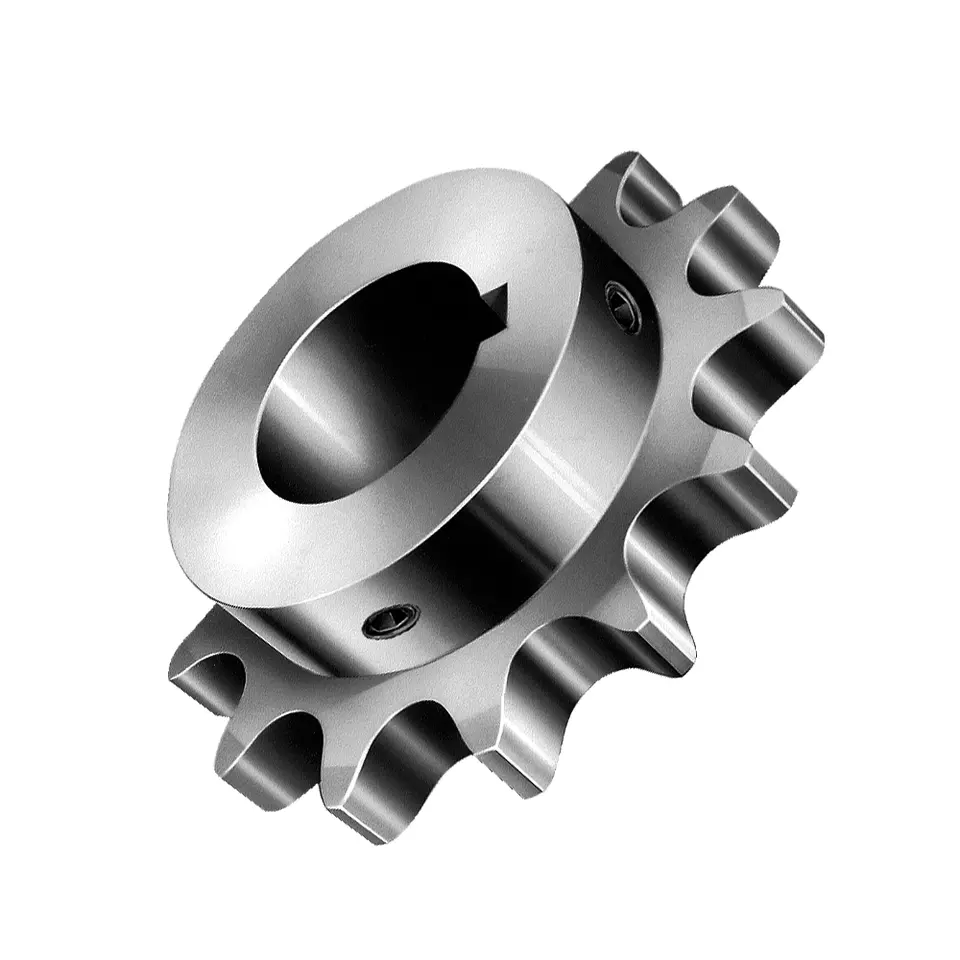
Choosing the Right Material for a Sprocket to Ensure Longevity
Choosing the right material for a sprocket is crucial to ensure its longevity and reliable performance in a given application. The material selection depends on various factors such as load, speed, operating environment, and budget. Here are some common materials used for sprockets and their considerations:
- Steel: Steel sprockets are widely used in a wide range of applications due to their excellent strength, durability, and wear resistance. They are suitable for heavy-duty and high-speed operations. Different grades of steel, such as carbon steel or alloy steel, offer varying levels of hardness and strength.
- Stainless Steel: Stainless steel sprockets are preferred when corrosion resistance is essential, making them suitable for applications where the sprocket is exposed to moisture, chemicals, or outdoor elements. They are commonly used in food processing, pharmaceutical, and marine industries.
- Cast Iron: Cast iron sprockets offer good wear resistance and are often used in low to medium-speed applications. They are cost-effective and provide excellent performance in less demanding conditions.
- Plastics: Plastic sprockets are lightweight and corrosion-resistant. They are commonly used in applications where low noise, self-lubrication, and resistance to chemicals or moisture are required. However, they have limited load-carrying capacity and may not be suitable for heavy-duty applications.
- Aluminum: Aluminum sprockets are lightweight and commonly used in applications where weight reduction is critical, such as aerospace and certain machinery. However, they are not as durable as steel sprockets and are not suitable for high loads or harsh environments.
When choosing the right material for a sprocket, consider the following:
- Load Capacity: Select a material that can handle the expected loads in the application without deforming or wearing excessively.
- Speed: Higher speeds may require materials with better heat dissipation and wear resistance.
- Environment: Consider factors such as moisture, chemicals, temperature, and outdoor exposure. Choose a material with suitable corrosion resistance and resilience to environmental conditions.
- Maintenance: Some materials may require more frequent maintenance or lubrication to ensure longevity.
- Cost: Balance the material’s performance with the budget constraints of the project.
It’s essential to consult with sprocket manufacturers or material experts to determine the most appropriate material for your specific application. They can provide valuable insights and recommendations based on your requirements, helping to ensure the longevity and optimal performance of the sprocket in your machinery or equipment.
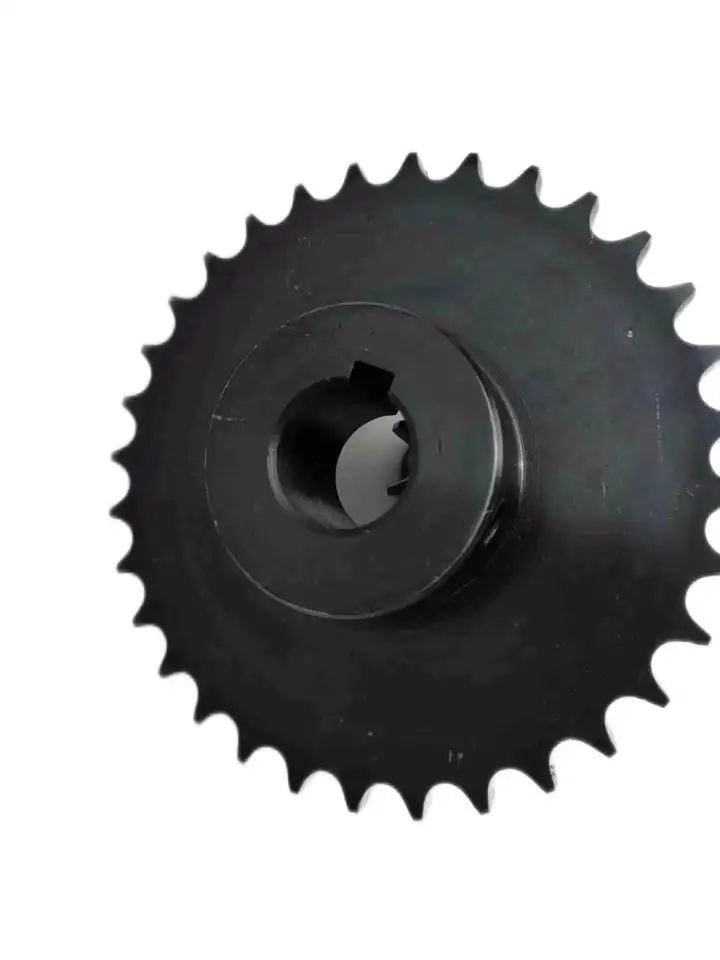
Advantages of Using a wheel sprocket Configuration
Using a wheel sprocket configuration for power transmission offers several advantages over other methods. Here are some key benefits:
1. Efficient Power Transmission:
The wheel sprocket assembly provide a highly efficient method of transmitting power between shafts with minimal energy loss. The teeth of the sprocket mesh with the links of the chain or the teeth of another sprocket, ensuring a positive engagement that reduces slippage and maximizes power transfer.
2. Versatility:
Wheels and sprockets are available in various sizes, configurations, and materials, making them highly versatile components for different applications. They can accommodate a wide range of speed and torque requirements, making them suitable for various mechanical systems.
3. Compact Design:
The compact design of wheel sprocket assemblies allows for space-saving installations in machinery. The concentric arrangement of the components minimizes the overall footprint, making it ideal for applications with limited space.
4. Precise Speed Control:
By selecting sprockets with different numbers of teeth, the gear ratio can be easily adjusted to achieve precise speed control in the driven shaft. This level of control is essential for many applications, such as conveyor systems, where different speeds are required for different processes.
5. High Torque Capacity:
wheel sprocket systems can handle high torque loads, making them suitable for heavy-duty applications. This high torque capacity is especially beneficial in industrial settings where large loads need to be moved or lifted.
6. Smooth and Quiet Operation:
When properly lubricated and maintained, the interaction between the sprocket and the chain or other sprockets results in smooth and quiet operation. This makes wheel sprocket systems preferable in applications where noise reduction is important.
7. Easy Installation and Maintenance:
Installing a wheel sprocket assembly is relatively straightforward, and they require minimal maintenance when used correctly. Periodic lubrication and tension adjustments are typically all that is needed to keep the system running smoothly.
8. Suitable for High-Speed Applications:
wheel sprocket configurations are well-suited for high-speed applications where belts or gears may not be as practical due to limitations in speed capabilities.
In summary, the wheel sprocket configuration offers efficient power transmission, versatility, compactness, precise speed control, high torque capacity, smooth operation, and ease of installation and maintenance. These advantages make it a popular choice in a wide range of mechanical systems and industrial applications.


editor by CX 2023-12-20