Product Description
Yuchen power tramsmission offer all the sprocket
Product Description
1. American Standard, European Standard, Japanese Standard
2. Pilot bore, finished bore, taper bore and special bore available
3. Bright surface and high precision
4. Advanced heat treatment and surface treatment crafts
5. Better quality and competitive price.
6. Material C45(1045), low carbon steel, 40Cr, 20CrMnTi, stainless steel such as SS316L, SS316, SS304, SS420, copper etc. available
7. Standard sea worthy package to Europe and American
8. High speed digital gear hobbing machines to guarantee the teeths quality
9. Corrosion resistance treatment available
10. Control on tolerance and easy to install
11. Good material and good treatment to make sure long life span
12. OEM/ODM welcome
Product show
Manufacture process
| Business type | Manufacturer & Exporter |
| Main export market | Europe, North and South America, Southeast Asia, Oceania, Middle East, Africa |
| Material | C45, low carbon steel, 40Cr, cast iron, stainless steel, copper etc |
| Manufacturing method | Forged and then machined, hobbed, if need can also weld |
| Heat treatment | High frequency quenching and so on |
| Surface treatment | Oxide black, Galvanized, Nickel plated, Chrome plated, Sandblasting, Painted and so on |
| Model | Type A & Type B, Single, Double, Triple – 35B10-80,40B9-90,50B9-90,60B9-90,80B9-90,100B9-90,120B9-80,140B10-60,160B10-60;06B10-125,08B9-125,10B9-125,12B9-125,16B9-125,20B9-114,24B9-90,28B9-76,32B9-76, and other sprocket to fit with conveyor chain, transmission chain |
| Packing | Plywood Case/Pallet |
Häufig gestellte Fragen
Q1. What is your terms of packing?
A: Generally, we pack our goods in single color box. If you have special request about packing, pls negotiate with us in advance, we can pack the goods as your request.
Q2. What is your terms of payment?
A: T/T 30% as deposit, and 70% before delivery. We’ll show you the photos of the products and packages
before you pay the balance. Other payments terms, pls negotiate with us in advance, we can discuss.
Q3. What is your terms of delivery?
A: EXW, FOB, CFR, CIF.
Q4. How about your delivery time?
A: Generally, it will take 25 to 30 days after receiving your advance payment. The specific delivery time depends
on the items and the quantity of your order.
Q5. Can you produce according to the samples?
A: Yes, we can produce by your samples or technical drawings. We can build the molds and fixtures.
Q6. What is your sample policy?
A: We can supply the sample if we have ready parts in stock, but the customers have to pay the sample cost and
the courier cost.We welcome sample order.
Q7. Do you test all your goods before delivery?
A: Yes, we have 100% test before delivery
Q8: How do you make our business long-term and good relationship?
1. We keep good quality and competitive price to ensure our customers benefit ;
2. We respect every customer as our friend and we sincerely do business and make friends with them,
no matter where they come from.
| Standard Or Nonstandard: | Nonstandard |
|---|---|
| Application: | Motor, Electric Cars, Motorcycle, Machinery, Toy, Agricultural Machinery |
| Hardness: | Hardened Tooth Surface |
| Manufacturing Method: | Cut Gear |
| Toothed Portion Shape: | Sprocket |
| Material: | Carbon Steel |
| Samples: |
US$ 0.6/Piece
1 Piece(Min.Order) | |
|---|
| Customization: |
Available
| Customized Request |
|---|
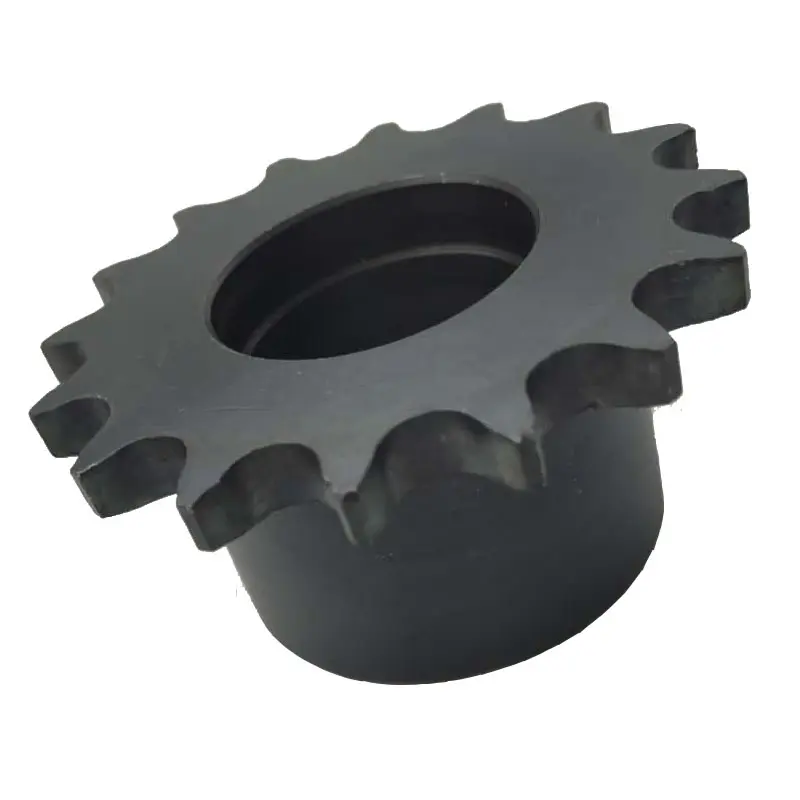
Compatibility of Chain Sprockets with Wheels
In general, chain sprockets are designed to work with specific types of wheels, and there are certain requirements for ensuring proper compatibility:
- Chain Size and Pitch: The chain sprocket must match the size and pitch of the chain it is intended to work with. For example, if you have a roller chain with a pitch of 0.625 inches, you need a sprocket with the same pitch to ensure a proper fit.
- Number of Teeth: The number of teeth on the sprocket should be compatible with the number of chain links. The chain should mesh smoothly with the sprocket without any binding or skipping.
- Tooth Profile: The tooth profile of the sprocket should match the shape of the chain’s rollers to ensure smooth engagement and minimize wear.
- Shaft Size: The center hole (bore) of the sprocket should match the diameter of the shaft it will be mounted on. Using the correct shaft size ensures a secure fit and prevents wobbling.
- Hub Configuration: Some sprockets have hubs, which are extensions on either side of the sprocket. The hub’s length and configuration should match the requirements of the specific application.
- Material and Strength: Consider the material and strength of the sprocket based on the application’s load and environmental conditions. Heavy-duty applications may require sprockets made of robust materials to withstand the forces and stresses.
It’s crucial to follow the manufacturer’s specifications and guidelines when selecting a chain sprocket for a particular wheel. Mixing incompatible sprockets and wheels can result in premature wear, inefficiencies, and potential safety hazards. If you are unsure about the compatibility, consult with the manufacturer or a knowledgeable expert to ensure you choose the right sprocket for your specific application.
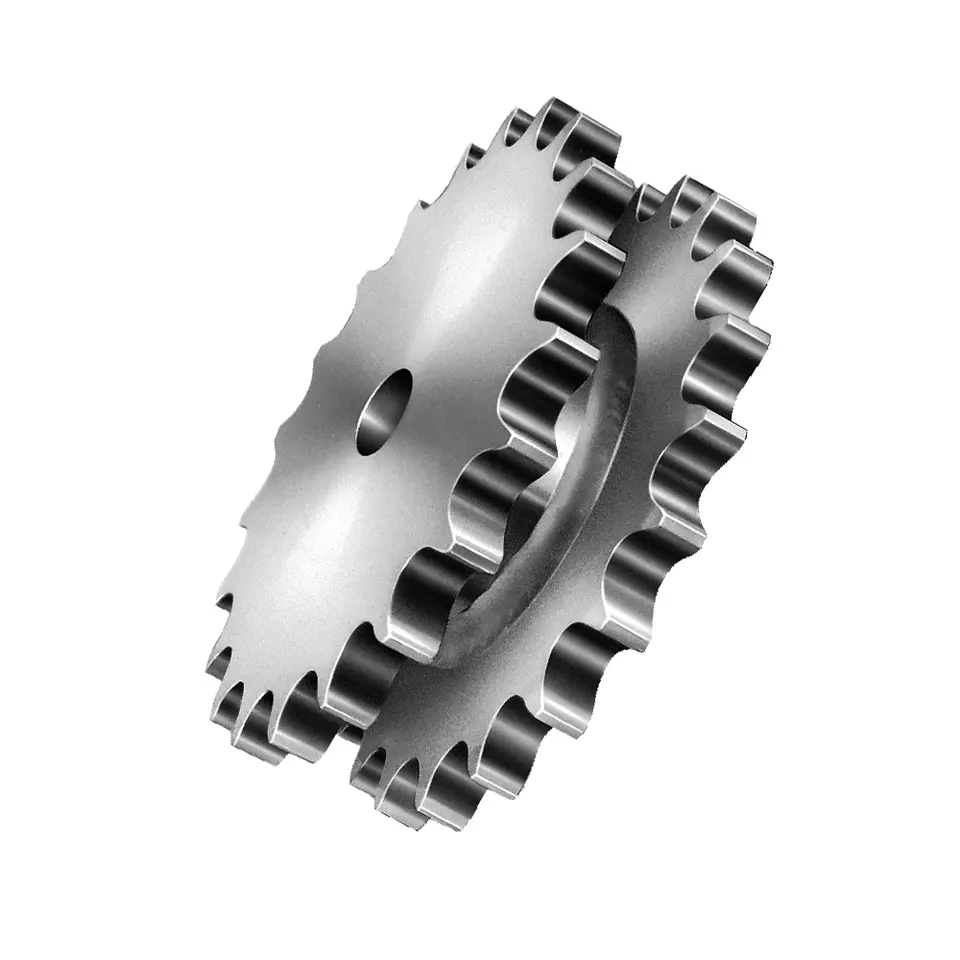
Temperature Limits for wheel sprocket System’s Operation
The temperature limits for a wheel sprocket system’s operation depend on the materials used in the construction of the components. Different materials have varying temperature tolerances, and exceeding these limits can lead to reduced performance, premature wear, and even system failure.
Here are some common materials used in wheel sprocket systems and their general temperature limits:
- Steel: Steel sprockets and wheels, which are widely used in many applications, typically have a temperature limit ranging from -40°C to 500°C (-40°F to 932°F). However, the specific temperature range may vary based on the grade of steel and any coatings or treatments applied.
- Stainless Steel: Stainless steel sprockets and wheels offer improved corrosion resistance and can withstand higher temperatures than regular steel. Their temperature limit is typically between -100°C to 600°C (-148°F to 1112°F).
- Plastics: Plastic sprockets and wheels are commonly used in low-load and low-speed applications. The temperature limit for plastic components varies widely depending on the type of plastic used. In general, it can range from -40°C to 150°C (-40°F to 302°F).
- Aluminum: Aluminum sprockets and wheels have a temperature limit of approximately -40°C to 250°C (-40°F to 482°F). They are often used in applications where weight reduction is critical.
It’s essential to consult the manufacturer’s specifications and material data sheets for the specific components used in the wheel sprocket system to determine their temperature limits accurately. Factors such as load, speed, and environmental conditions can also influence the actual temperature tolerance of the system.
When operating a wheel sprocket system near its temperature limits, regular monitoring and maintenance are necessary to ensure the components’ integrity and overall system performance. If the application involves extreme temperatures beyond the typical limits of the materials, specialized high-temperature materials or cooling measures may be required to maintain reliable operation.
Types of Sprockets Used with Wheels
In mechanical systems, sprockets are toothed wheels that mesh with a chain or a belt to transmit rotational motion and power. There are several types of sprockets used with wheels, each designed for specific applications:
1. Roller Chain Sprockets:
These are the most common type of sprockets used with wheels and are designed to work with roller chains. Roller chain sprockets have teeth that match the profile of the chain’s rollers, ensuring smooth engagement and reducing wear on both the sprocket and the chain. They are widely used in bicycles, motorcycles, and industrial machinery.
2. Silent Chain Sprockets:
Also known as inverted-tooth chain sprockets, these sprockets are designed to work with silent chains. Silent chains are toothed chains that run quietly and smoothly, making them ideal for applications where noise reduction is essential, such as timing drives in engines and automotive systems.
3. Timing Belt Sprockets:
Timing belt sprockets are used with timing belts to ensure precise synchronization between the crankshaft and camshaft in internal combustion engines. They have specially designed teeth that fit the profile of the timing belt, allowing for accurate timing and smooth motion.
4. Idler Sprockets:
Idler sprockets are used to guide and tension chains or belts in a system. They do not transmit power themselves but play a crucial role in maintaining proper tension and alignment, which is essential for efficient power transmission and to prevent chain or belt slack.
5. Weld-On Sprockets:
Weld-on sprockets are designed to be welded directly onto a wheel hub or shaft, providing a secure and permanent attachment. They are commonly used in industrial machinery and equipment.
6. Double-Single Sprockets:
Double-single sprockets, also known as duplex sprockets, have two sets of teeth on one sprocket body. They are used when two separate chains need to be driven at the same speed and with the same sprocket ratio, often found in heavy-duty applications and conveyor systems.
7. Taper-Lock Sprockets:
Taper-lock sprockets are designed with a taper and keyway to provide a secure and easy-to-install connection to the shaft. They are widely used in power transmission systems, where sprocket positioning and removal are frequent.
Each type of sprocket is selected based on the specific application’s requirements, chain or belt type, and the desired performance characteristics. Proper selection and maintenance of sprockets are essential for ensuring efficient power transmission and extending the life of the entire system.


editor by CX 2023-08-04